
Kiko Kono, M.D.
Profile
Graduated from Kawasaki Medical School. Worked as a dermatologist for about 20 years at core hospitals. After many years of experience and achievements, he became a cosmetic dermatologist. His practice style is to examine the skin thoroughly and pursue what is happening where on the skin and approach the problem. Her specialties include customized treatment, laser treatment, Botox, and skin growth injections. In her private life, she is a mother of two children.
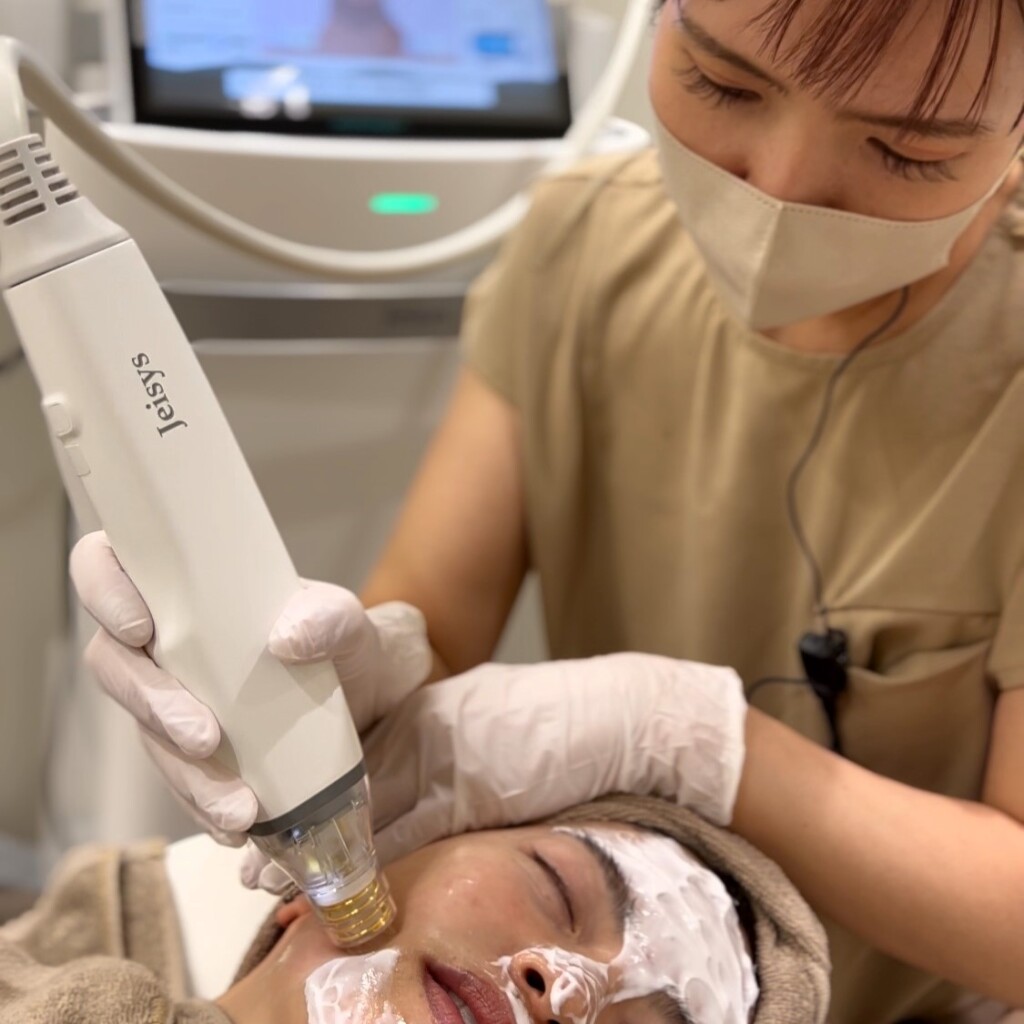
For those who are wondering "Why do I have acne scars?" ....... This article details the types, symptoms, and causes of acne scars. Once you know why acne scars form, you may be able to find the best way to deal with them and find the right skin care. We also introduce you to cosmetic treatments that can be effective in eliminating acne scars. If you are suffering from acne scars that won't go away, please read through to the end.
Mechanism of acne scar formation
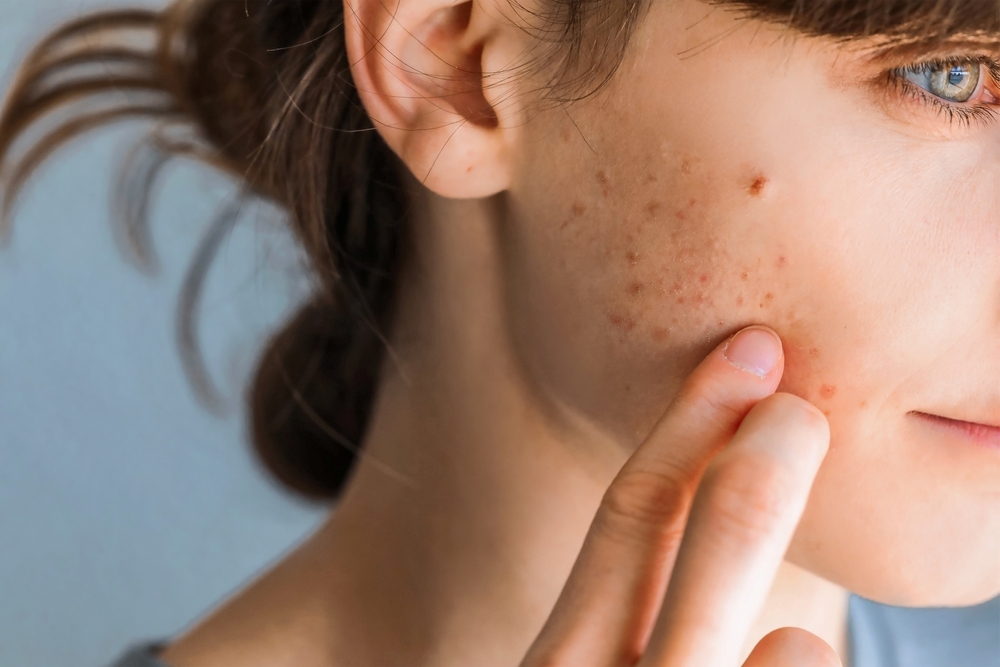
Acne scars are acne inflammation that damages the surrounding tissues and leaves pigmentation and scarring on the skin. Acne occurs repeatedly when the skin's immune system is compromised and the inflammation isAcne scars form due to damage to the dermis layer and subcutaneous tissue deep within the skinIt is caused by a variety of factors. Although it varies from one type to another, neglecting to take care of them is generally considered the main cause of acne scars.
■ Inflammatory response and collagen damage
Inflammatory response and collagen damage are deeply involved in the formation of acne scars. When acne occurs, the skin exhibits a self-defense response by becoming inflamed. In this process, collagen, which supports skin tissue, is damaged. The longer the inflammation lasts, the more damage is done to collagen, and as a result, acne scars are more likely to remain.
■Phenomena that occur during the skin repair process
Even though the acne appears to have healed on the surface, healing and repair continues inside the skin. During this recovery process, overproduction of melanin pigment may occur, resulting in hyperpigmentation. This occurs when the skin produces new tissue to repair the damage.Melanocytes are activated and produce more melanin pigment than normalThis is because it can cause Also, if the blood vessels remain dilated due to inflammation, redness may remain.
Types and characteristics of acne scars
Acne scars are characterized by different types. The main types of acne scars are erythema with redness, hyperpigmentation, crater-like indentations, keloids, and hypertrophic scars. In order to select the appropriate care and treatment, one must first understand the differences between them.
■Redness (erythema)
The most prominent of all acne scars is the redness, or erythema, which is the most visible of all acne scars. This is caused by a concentration of capillaries at the site of inflammation, resulting in a congested condition. The redness gradually fades with time, but if the inflammatory reaction is strongRemaining for more than a few monthsIt is not uncommon for patients to suffer from redness that does not disappear or heal for more than a year.
■Pigmentation
Pigmentation is a type of acne scarring caused by excessive production of melanin pigment during the healing and repair process of acne inflammation. It appears in shades of brown or reddish that are darker than the skin color,Symptoms persist for several months to several yearsThe degree and duration of hyperpigmentation may also vary depending on factors such as skin type, age, and sun exposure. The degree and duration of hyperpigmentation will vary depending on factors such as skin type, age, and sun exposure. However, in the case of severe hyperpigmentation, it is difficult to eliminate even if you try to manage it on your own. It is advisable to receive appropriate treatment at a clinic.
■Crater-like indentations
Crater-like acne scars, which look like depressed pore areas, occur when the intense inflammation caused by acne reaches the dermal layer and damages skin cells. The natural healing process does not repair the tissue normally, leaving a depression on the surface. The shape of the indentation varies and can be ice pick, boxcar, or rolling. This type of acne scar is difficult to heal spontaneously and tends to remain for a long period of time.
■Keloids and hypertrophic scars
Keloids and hypertrophic scars are particularly visible among acne scars. They are generally caused by abnormalities or delays in the healing process of acne. Both can also cause discomfort as well as visual problems, as they can be red and itchy. The development of keloids and hypertrophic scars can beGenetic factors and skin characteristics are involved.It is often seen in areas where the skin is easily stretched, such as the face line.
Factors that cause acne scars
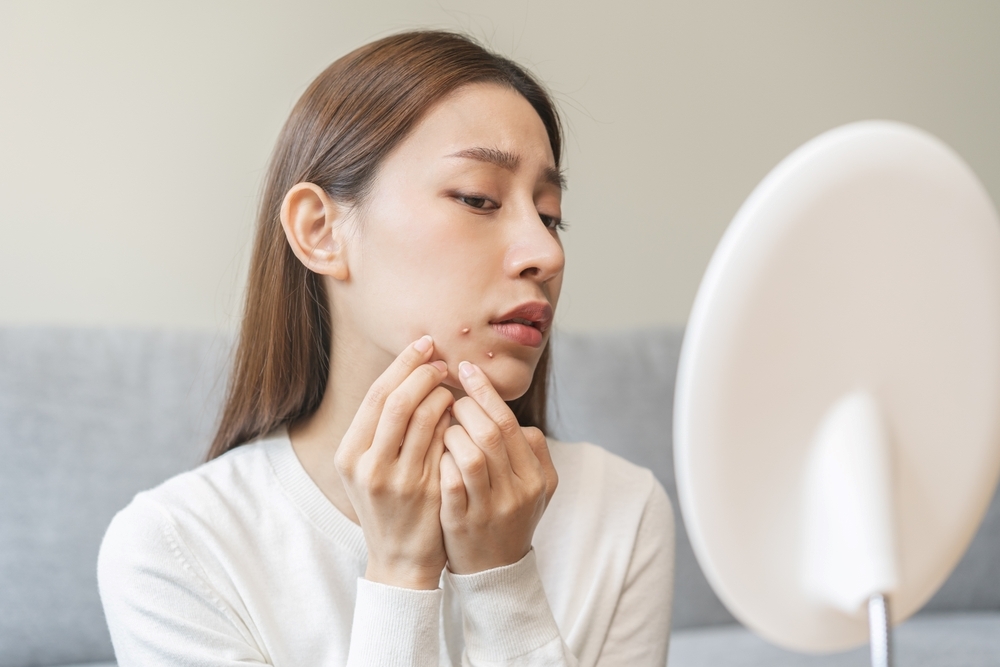
Acne scars are caused by several complex factors. Here we will detail the three factors that induce acne scars.
■Excessive inflammation
One of the causes of acne scar formation is excessive inflammation. While normal acne will heal itself with proper care, prolonged and intense inflammation can damage the deeper layers of the skin and leave scars. Avoid forcibly crushing the pimple or touching it excessively, as this can aggravate the inflammatory response. To correct the condition, appropriate treatment should be sought.
■Inappropriate acne care
Improper acne care can leave scars. For example, irritating the pimples and excessive cleansing. This can worsen skin inflammation and increase the likelihood of scarring. How to properly care for acne,Be gentle and careful while maintaining cleanliness.is the key. Finding the right care method for your skin type, with the advice of a dermatologist or cosmetic dermatologist, will help prevent acne scars.
■Age and skin type
The ease of acne scar formation varies with age and skin type. Younger generations tend to be relatively less prone to acne scars, though, due to their shorter turnover cycles,Skin resilience decreases with age. The problem of "redness, hyperpigmentation, and cratering acne scars that do not disappear ...... compared to when I was younger" is more likely to appear.
Dry and oily skin types are among the most prone to acne and acne scars. To soothe inflammation, treatment must be tailored to the constitution and symptoms.
Acne scar treatment by cosmetic medicine
Cosmetic medicine offers methods such as lasers, chemical peels, and potenzas as acne scar treatments.
■Laser Therapy
Laser therapy is one of the most effective cosmetic treatments for acne scar removal. In laser therapy, a laser is irradiated to the affected area to create numerous microscopic punctures, thereby promoting the repair of skin tissue. This treatment method utilizes the skin's wound-healing function and creates new cells by daring to cause damage,Work to normalize turnoverThis is because of the In addition, collagen is produced during the repair process, which increases elasticity and moisture. Acne scars such as craters become less noticeable.
The type of laser can change the layers approached, allowing treatment to be tailored to the symptoms, but there may be temporary redness and swelling after the procedure. Downtime must be taken into consideration, and the schedule must be adjusted during treatment.
■ Subsession
Subsicion is a treatment in which scars that have adhered to the subcutaneous tissue are peeled off and then loosened with a special needle. It is useful for circular, sunken, crater-type acne scars called rolling scars. Because it can directly approach the fibers that cause the dimpling of the skin, it can improve deep and wide acne scars that are difficult to reach with laser treatment.
■TRI-FIL
Tri-Fill is a treatment method that uses an ultra-fine needle to inject carbon dioxide gas and a drug at the same time. The combination of subcision and drug delivery can be used to improve acne scars and craters, as well as to address various needs such as fine lines and wrinkles caused by dryness and skin pigmentation.
In addition, the carbon dioxide gas injected and suction power can be adjusted according to symptoms, allowing for some control of downtime. The risk of bleeding and pigmentation is minimal, and damage to the skin is considered.
■Chemical peels
Chemical peels are treatments that apply a peeling agent to the skin to remove dead skin cells. It is effective on pigmentation and very shallow indentations, leaving the skin brighter and smoother. The agent used can be adjusted according to the type and degree of acne scars, allowing customized treatment according to individual skin types and concerns.
Although it does not cause serious downtime, depending on the condition of the skin, there may be temporary redness or a persistent tingling sensation due to dryness. It will subside with time, but it is important to perform appropriate aftercare under the guidance of a physician, such as avoiding rubbing the skin and using UV care after the procedure.
■Potenza
Potenza is a treatment method that approaches skin problems by using microneedles to puncture tiny dots in the skin and apply radiofrequency waves. Collagen production is stimulated to promote tissue repair inside the skin,Expected to have a smoothing effect on crater-like indentationsCan be done.
In addition, Potenza is equipped with a drug delivery system that delivers drug ingredients to the dermal layer, making it possible to select the right drug for the right skin problem. It is said to be able to treat skin problems efficiently, and the effects can be easily felt even with a small number of treatments.
■ Conclusion.
There are various types of acne scars, each with different symptoms. Some acne scars are difficult to treat with self-care, but advances in cosmetic medicine have made it possible in recent years to choose treatments tailored to the symptoms, such as laser therapy, chemical peels, and potenzas. By finding the right approach for you with the advice of a specialist, you may be able to restore the natural beauty of your skin. If you are interested in acne scar treatment, consult a trusted cosmetic clinic.
Description of treatment] Q-switched Nd:YAG laser
Our equipment] TriBeam Premium
Treatment period and frequency] Once a week, about 5 to 6 times in total
Cost] 1 time ¥21,780
Risks and side effects] Redness, post-inflammatory hyperpigmentation, scar formation, depigmentation, etc.
Equipment used.
TriBeam Premium treatments include procedures using domestically unapproved drugs or medical devices.
Drugs and medical devices used for treatment were imported from Jeisy Medical Inc. under the judgment of our doctors.
Please refer to the following for information on medicines and other items of note for personal importation.
https://www.yakubutsu.mhlw.go.jp/individualimport/purchase/index.html
There are no other domestically approved drugs with the same ingredients or performance.
In the unlikely event of serious side effects, the drug is not covered by the government's Adverse Drug Reactions Relief Program.
Description of treatment] Chemical peeling
Drugs adopted by the hospital
Massage Peel
Milano Repeal Milano Repeal
Mint Peel
Duration and number of treatments
Massage peel: Once every 2-3 weeks, about 5 times in total
Milan Repeal Milan Repeal: once every 2 to 3 weeks, 3 to 10 times in total
Mint peel: once every 1-2 weeks, about 4-6 times in total
Cost]
One time for one part of face, hand, or neck: ¥21,780
Neck and décolleté (Milano Re-Peel only): 1 time ¥43,560
Back (Milano Re-Peel only): 1 time ¥43,560
Risks, side effects, etc.
Massage peel: redness, peeling, scabs, etc.
Milan Repeel: pain, redness, scabbing, temporary worsening of acne, etc.
Mint peel: peeling, redness, swelling, scabs, etc.
[About being an unapproved drug, etc.
The Massage Peel, Milan Peel, and Mint Peel treatments involve the use of domestically unapproved drugs or medical devices.
The medicines and medical devices used for treatment were imported by private individuals based on the judgment of the doctors at our clinic. Please refer to the following for information on medicines and other items of concern for personal importation.
https://www.yakubutsu.mhlw.go.jp/individualimport/purchase/index.html
There are no other domestically approved drugs with the same ingredients or performance.
There is a possibility that serious risks, side effects, etc. have not been identified.
In the unlikely event of serious side effects, the drug is not covered by the government's Adverse Drug Reactions Relief Program.
Description of treatment] Microneedle RF
Potenza
Treatment period and frequency] Once every 4 to 6 weeks, about 3 times in total
Cost]
Melasma/redness 1 time: ¥54,780
Drug Delivery (Macroom) 1 time: ¥104,500
Drug Delivery (Benev Snow White) 1 time: ¥93,500
Risks and side effects] Bleeding, redness, pigmentation, inflammation, swelling, temporary acne, etc.
Equipment used.
Treatment of potenza includes procedures using domestically unapproved drugs or medical devices.
The medicines and medical devices used for treatment were imported from Jeisys Medical Inc. under the judgment of our doctors. Please refer to the following for information on drugs and medical devices that should be imported by individuals.
https://www.yakubutsu.mhlw.go.jp/individualimport/purchase/index.html
There are no other domestically approved drugs with the same ingredients or performance.
Information on safety, etc. in other countries. The following certifications have been obtained
-MFDS(2019.01)
There is a possibility that serious risks, side effects, etc. have not been identified.
In the unlikely event of serious side effects, the drug is not covered by the government's Adverse Drug Reactions Relief Program.


