
Kiko Kono, M.D.
Profile
Graduated from Kawasaki Medical School. Worked as a dermatologist for about 20 years at core hospitals. After many years of experience and achievements, he became a cosmetic dermatologist. His practice style is to examine the skin thoroughly and pursue what is happening where on the skin and approach the problem. Her specialties include customized treatment, laser treatment, Botox, and skin growth injections. In her private life, she is a mother of two children.
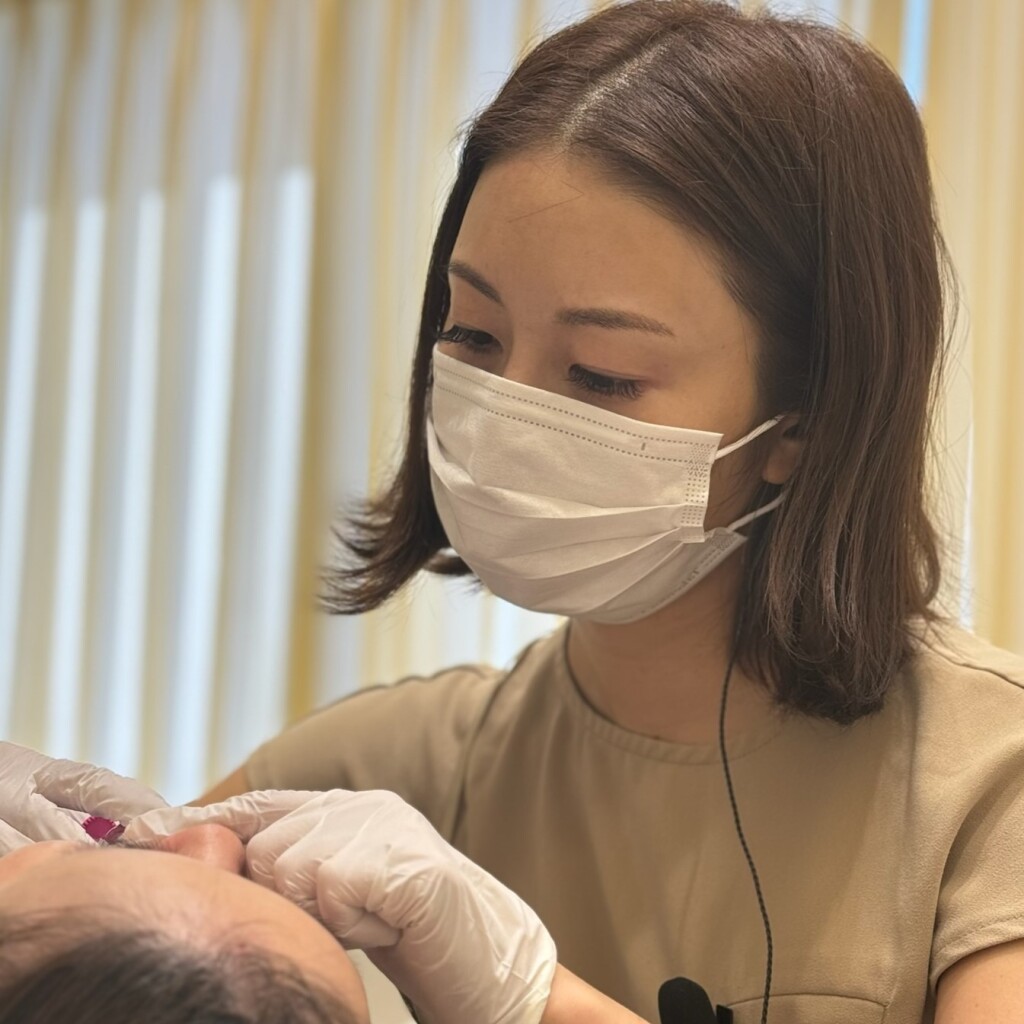
Have you ever wondered, "Why do I get acne?" In fact, many people suffer from acne. Some of them may even lose their self-confidence due to the sudden onset of a massive outbreak of acne. This article, therefore, explains the causes of acne and effective countermeasures. By understanding how acne works and knowing how to properly care for it, you can have beautiful skin. Once you change the way you deal with acne, you will be able to live a comfortable life.
Let's understand the basics of acne and how it occurs.
Understanding why acne occurs and how it develops is the first step in effective acne control. First, let's look at some basic information about acne, the process by which it develops, and its characteristics.
■What is acne?
Acne is a common skin problem experienced by many people. Medically, it is called "Acne Vulgaris",Characterized by clogged pores and inflammationIt is.
Acne is classified as white, black, red, or yellow acne and can range from mild to severe. Depending on the degree of progression, symptoms such as pimples, papules, and pustules may appear.
■The relationship between the function of sebaceous glands and acne
The function of the sebaceous glands is deeply involved in the development of acne. The sebaceous glands are important organs that secrete sebum, which protects and moisturizes the skin. However, when excessively secreted sebum mixes with keratin and dirt clogging pores, an environment conducive to acne outbreaks is created. Therein,Inflammation is caused by the growth of acne bacteria.The first is the
Especially during puberty and before menstruation, sebum secretion tends to be more active and acne is more likely to occur.
■Characteristics by age: adolescent acne vs. adult acne
Acne has different characteristics depending on age. Adolescent acne is mainly caused by hormonal imbalance and tends to occur mainly in the T-zone. Adult acne, on the other hand, is more common in people in their late 20s, 30s, and beyond, and is mainly caused by stress and lifestyle disorders. Adult acne tends to be concentrated in the U-zone, such as the cheeks and chin, and is characterized by inflammation. It is also important to note that while adolescent acne often improves in a relatively short period of time, adult acne tends to linger and is prone to acne scars.
Main causes of acne
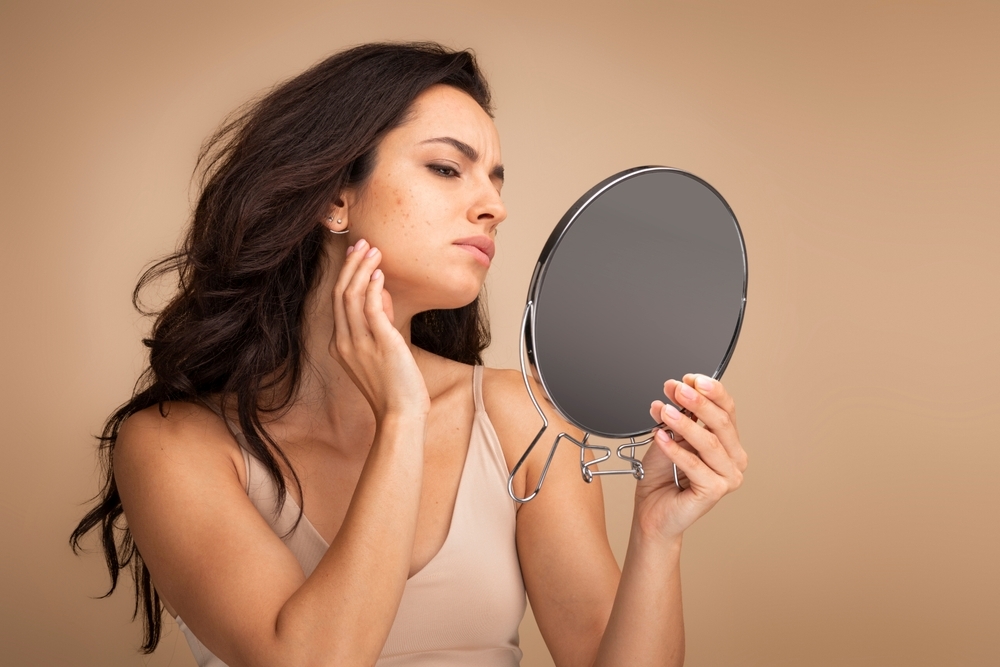
There are many factors involved in the development of acne. In addition, the causes can vary from place to place. Here is a deeper look at why acne occurs.
■Hormonal imbalance
Hormonal imbalance is one of the primary causes of acne. It is especially noticeable during puberty, premenstrual periods, and times of high psychological load. Fluctuations in female hormones in women and male hormones in men cause increased sebum secretion, which can easily clog pores. Hormonal imbalance also adversely affects skin turnover andInduces keratinocyte thickeningThe result is a high incidence of acne. These factors combine to create an environment in which acne is more likely to occur. Acne caused by hormonal imbalance occurs mainly on the cheeks and chin.
■Stress and lifestyle influences
Stress and irregular lifestyle habits are factors that contribute to the development of acne. In today's society, stress from work and relationships can affect skin health. This is because stress causes the body toHormone cortisol is secreted, causing excessive sebum production. Pores become clogged easily, triggering acne. In addition, lifestyle disorders such as lack of sleep, irregular diet, and lack of exercise can aggravate the internal environment and encourage sebum secretion. High sebum secretion can also cause acne around the nose and scalp. In particular, staying up late or not getting enough sleep can reduce the skin's ability to regenerate and worsen symptoms.
■Nutritionally unbalanced meals
Many studies have shown that food and nutrition are closely related to the cause of acne outbreaks. High-sugar and high-fat diets are,Causes accelerated insulin secretion and excessive sebum productionto. Excessive consumption of dairy products can also affect the hormonal balance and cause severe acne.
Key Points for Acne Prevention and Improvement
Daily skin care and lifestyle improvements are essential for preventing and fighting acne. Here are some tips for acne prevention and improvement that you can do at home.
■To ensure proper skin care
When washing the face, it is important to reduce friction to the skin and avoid removing too much sebum. 40°C or higher water can cause skin dryness, so use lukewarm water. It is also essential to moisturize the skin to maintain a balance between moisture and oil. Apply plenty of lotion to the skin and protect it well with milky lotion or cream. Even if you are concerned about a pimple during skin care, you should avoid the habit of frequently touching your face or forcibly crushing the pimple. These actions can progress inflammation and make symptoms more severe.
■Review of lifestyle habits
Those who are prone to acne may need to improve their constitutions through sleep and exercise. First, ensure that you get enough sleep and lead a regular rhythm in your life. This will help maintain hormonal balance. In addition, moderate exercise will promote blood circulation,Skin metabolism becomes active.It is important to choose the right cosmetics for your skin type. It is also important to choose cosmetics products that suit your skin type. If you have sensitive skin, it is best to incorporate items that are designed to prevent irritation. By consciously reviewing your skin care regimen, you should be able to create a healthy skin environment that is less prone to acne.
■Make sure to eat a nutritionally balanced diet.
A nutritionally balanced diet plays an important role in the fight against acne. Try to maintain an unbiased menu and consume foods with antioxidant properties, such as vitamins B, C, E, and zinc. In addition to diet, hydration is also important. Adequate fluid intake promotes the elimination of toxins from the body and helps maintain healthy skin. Improving one's diet may not have an immediate effect, but with continued improvement, it can lead to improved skin texture and the prevention of new acne. However, it is important to take it easy, as excessive restriction can be counterproductive.
■ Importance of stress management
Stress management is important not just for mental health, but also for maintaining beautiful skin. To prevent or improve acne, find a relaxation method that works for you in your daily life, such as meditation, yoga, or light exercise. Getting enough sleep and maintaining a regular rhythm of life are also effective in reducing stress. Remember that beautiful skin is born from a balance of mind and body, so incorporate stress care into your daily routine.
Consider acne treatment using cosmetic medicine.
If you understand why you get acne, but don't see improvement in your acne with home care alone,...... or want to know how to effectively treat acne and pimples, you may want to consider professional treatment at a medical institution or cosmetic clinic. You may want to consider professional treatment at a medical institution or cosmetic clinic.
■The Importance of Seeking Medical Attention
Seeing a medical professional (dermatologist) is an important step in improving acne. If over-the-counter medications and common skin care products do not improve the condition, or if the inflammation is severe, consult a physician. Once the exact type and cause of the acne is determined, you can receive the appropriate treatment for your individual skin condition. Acne medications will be prescribed based on the skin condition and will be more effective in improving the condition. It is recommended to start acne treatment with insurance treatment first. The majority of acne cases can be improved with insurance treatment. Acne scars that are difficult to treat with insurance treatment or acne that does not improve with insurance treatment should be discussed with a cosmetic dermatologist. Advice on how to prevent recurrence can also be obtained, which will help maintain long-term skin health.
■Acne Treatment in Cosmetic Medicine
One way to effectively improve acne and achieve beautiful skin is to rely on cosmetic medicine.
Cosmetic treatments include laser, light therapy, and chemical peels. Some treatments can be customized according to skin type and symptoms, and are highly effective through a multifaceted approach to control sebum secretion, clean pores, and reduce inflammation. Also,Cosmetic medicine is also effective in improving acne scarsIt is. Dermapen and Potenza stimulate collagen production and improve the unevenness and color of acne scars. They promote skin renewal, so you can aim for smoother, clearer skin.
■Using doctors' cosmetics is also an option.
Utilizing doctor's cosmetics is another effective option for acne prevention and improvement. Doctor's cosmetics are skin care products supervised and developed by skin specialists and are expected to be highly effective in acne treatment and prevention. Some doctors' cosmetics are designed to be less harsh on the skin when applied before and after treatment, making them easy to use even for those with sensitive skin or allergies. However, a doctor's consultation is required to purchase these products.
■ Conclusion.
We have explained why acne occurs, what causes it, and what to do about it. By gaining a better understanding of acne, you will be able to choose the appropriate care and treatment. Since home care alone often has its limitations, if you find that your acne is not improving..., you should seek diagnosis and treatment from a specialist. A consultation at a cosmetic dermatologist or clinic will help you find the best approach for your individual skin type and lifestyle. yayoi Clinic offers treatment plans tailored to each skin condition. We encourage you to consider acne care using cosmetic medicine.


