


Even though I apply sunscreen every day, my age spots keep increasing.

Hiding it with concealer has become a habit for me.

I've been using skin-whitening cosmetics for years, but I haven't noticed any changes.

Once I hit my 40s, my age spots suddenly started to become more noticeable.

It seems there are different types of dark spots, and I'm not sure which treatment would be best.

Going to the clinic feels like a big hurdle, and,
I just can't seem to take that first step
Why Do Age Spots Form?
Causes of Age Spots
The true nature of age spots is “melanin pigment” that has accumulated in the skin. Normally, melanin is produced to protect the skin and is gradually excreted over time. However, when certain conditions coincide, this balance is disrupted, leading to excessive melanin production. Since this melanin is not excreted, it remains in the skin and settles as “age spots.”

UV rays, irritants,
Hormonal Changes

Melanocytes
Activation

Excess melanin
Generated

During the turnover,
Not emitted

It accumulates in the skin, and
Appears as a spot
The Three Main Causes of Age Spots

ultra-violet rays
The main cause of sunspots.
UVA rays, in particular, penetrate deep into the skin (the dermis), and sunscreen alone may not be enough to completely block them.

Hormonal Balance
Fluctuations in estrogen levels due to pregnancy, menopause, or birth control pills can be a contributing factor to melasma.

Turnover
Disorder
As metabolism slows with age, melanin may not be excreted as easily, making it more likely to remain in the skin as age spots.

senile pigmentation
Aging and UV rays are the main causes.
Brown spots with well-defined borders. They are commonly found on the cheeks and the backs of the hands.

Freckles
Small spots with a strong genetic component. They appear scattered across the nose and cheeks and tend to darken when exposed to UV rays.

Chloasma
It is characterized by a symmetrical spread across both cheeks, often caused by hormonal imbalances. Because the skin is sensitive to stimulation, care must be taken regarding laser output and treatment methods.

ADM (acquired dermal melanocytosis)
Because melanin is present in the dermis, it is characterized by a bluish-gray appearance. It may coexist with conditions such as melasma, making it difficult to distinguish in some cases.

Avoid making decisions on your own.
If treatment is performed based on an incorrect diagnosis of the type of dark spot, the discoloration may actually become darker or be more difficult to treat. Melasma, in particular, is sensitive to irritation, so strong laser treatment can actually be counterproductive. At Yayoi Clinic, we use the “VISIA®” skin analysis system to identify the type and depth of dark spots and design a treatment plan tailored to your specific condition.
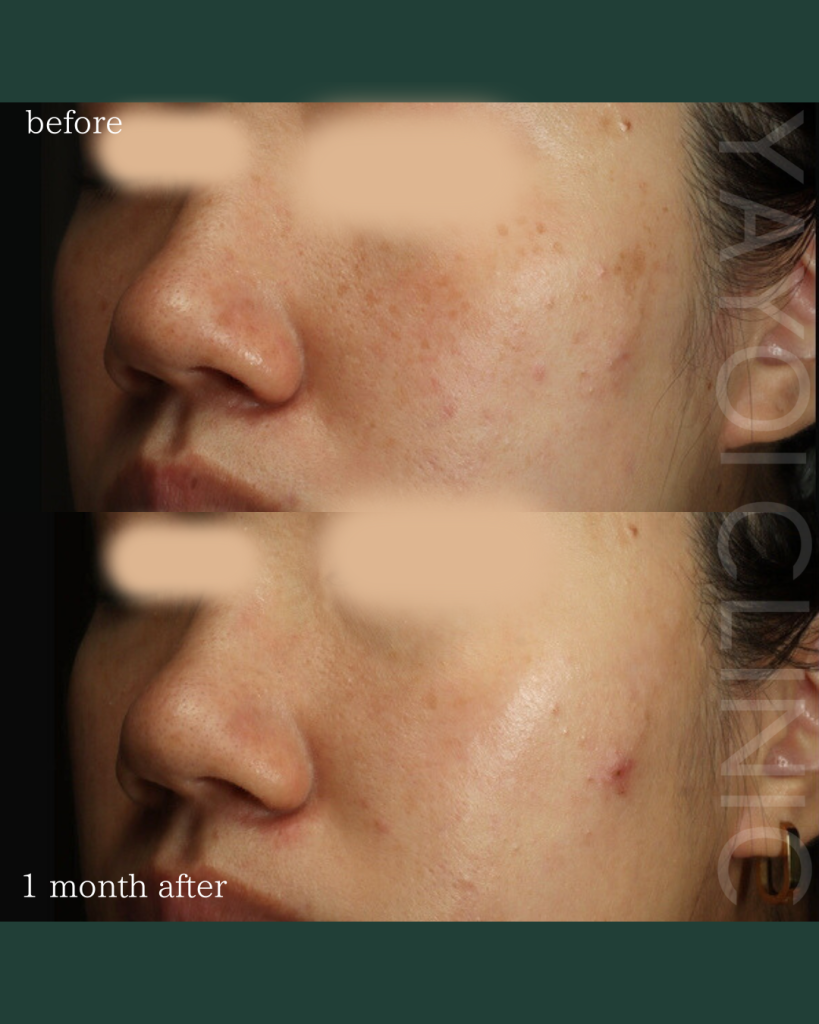
| Name of treatment | Q-switch |
|---|---|
| Treatment period frequency |
one inning *There are individual differences depending on the symptoms and extent of the disease. |
| Treatment Time | 5 to 30 minutes *Time will vary depending on the counseling and treatment. |
| Side Effects risk |
Redness, pain, scabbing, hyperpigmentation, spotting, recurrent hyperpigmentation, temporary inflammatory hyperpigmentation, redness, blistering, crusting, etc. |
| cost | All-you-can-eat stain removal: ¥98,000 |
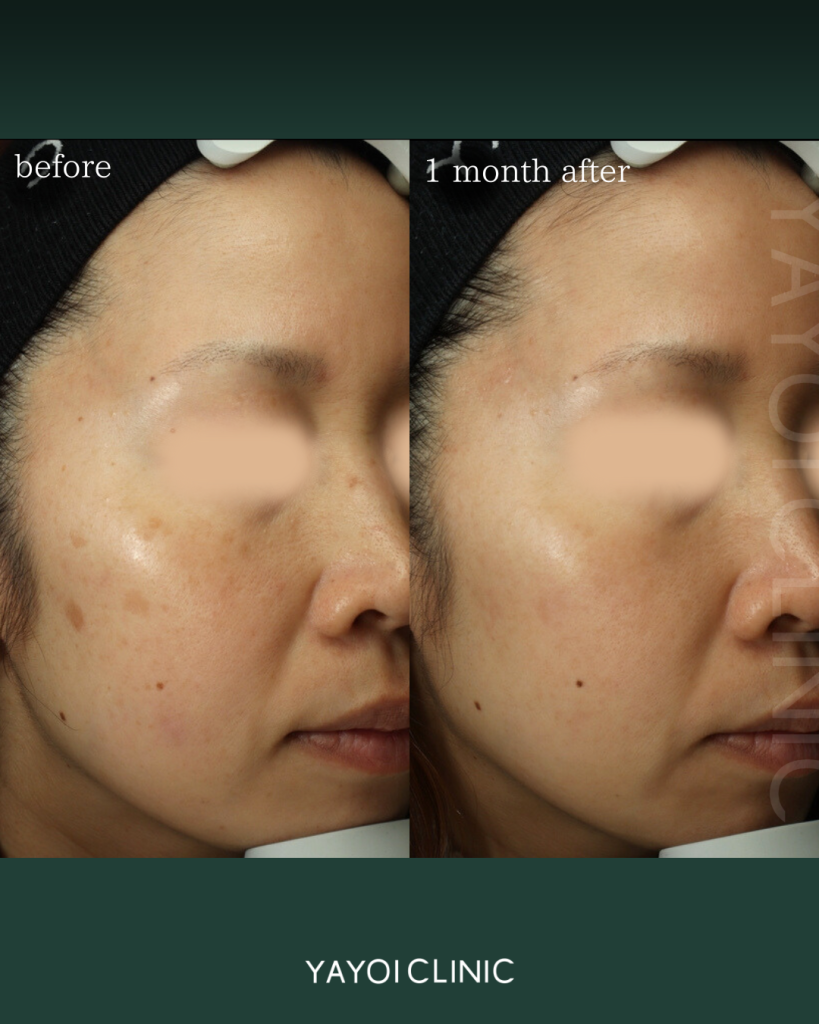
| Name of treatment | Q-switch 1 |
|---|---|
| Treatment period frequency |
one inning *There are individual differences depending on the symptoms and extent of the disease. |
| Treatment Time | 5 to 30 minutes *Time will vary depending on the counseling and treatment. |
| Side Effects risk |
Redness, pain, scabbing, hyperpigmentation, spotting, recurrent hyperpigmentation, temporary inflammatory hyperpigmentation, redness, blistering, crusting, etc. |
| cost | All-you-can-eat stain removal: ¥98,000 |
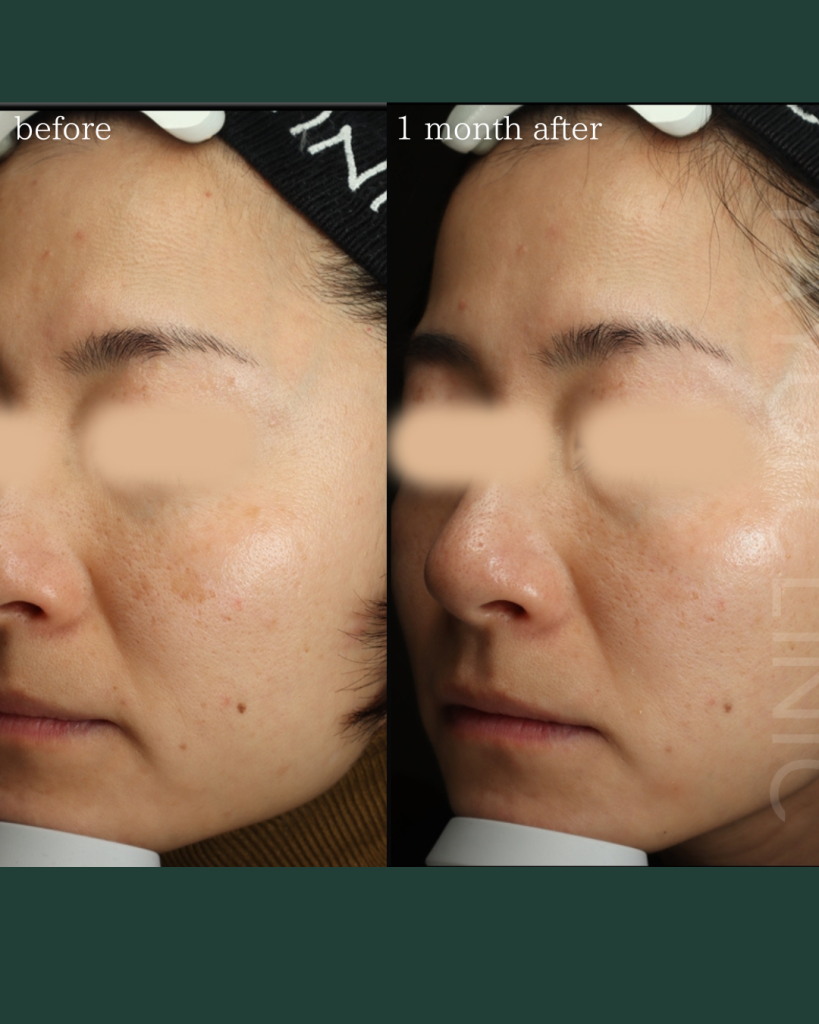
| Name of treatment | Q-switch2 |
|---|---|
| Treatment period frequency |
one inning *There are individual differences depending on the symptoms and extent of the disease. |
| Treatment Time | 5 to 30 minutes *Time will vary depending on the counseling and treatment. |
| Side Effects risk |
Redness, pain, scabbing, hyperpigmentation, spotting, recurrent hyperpigmentation, temporary inflammatory hyperpigmentation, redness, blistering, crusting, etc. |
| cost | All-you-can-remove spots ¥98,000 |

| Name of treatment | Skin Management Personalized Plan®︎ |
|---|---|
| Treatment period frequency |
3 times 1 course of 3 times x 4 times the same treatment 12 times or more recommended |
| Treatment Time | 19,800 yen plan: about 60 minutes 29,800 yen plan: 75 to 90 minutes 49,800 yen plan: 90 to 120 minutes 99,800 yen plan: 120 to 180 minutes *It takes +30 minutes for a lapse. |
| Side Effects risk |
TriBeam Premium Post-inflammatory hyperpigmentation, scarring, depigmentation, texture changes, erythema, etc. [Mesotherapy Redness, heat, itching, swelling, rash, etc. due to allergic reaction to the drug used Intense Ultra Redness, heat, itching, swelling, rash, etc. due to allergic reaction to the drug used [Selleck V Pain, skin damage, pigmentation, scarring, excessive edema, erythema/purpura, etc. Intense Ultra Redness, heat, itching, swelling, rash, etc. due to allergic reaction to the drug used Massage peel, milano peel, mint peel Subcutaneous bubbles, scabs, redness, peeling, dryness, temporary worsening of acne, swelling, etc. |
| cost | Plan A: 21,780 yen Plan B: 32,780 yen Plan C: 54,780 yen Plan C ¥109,780 |
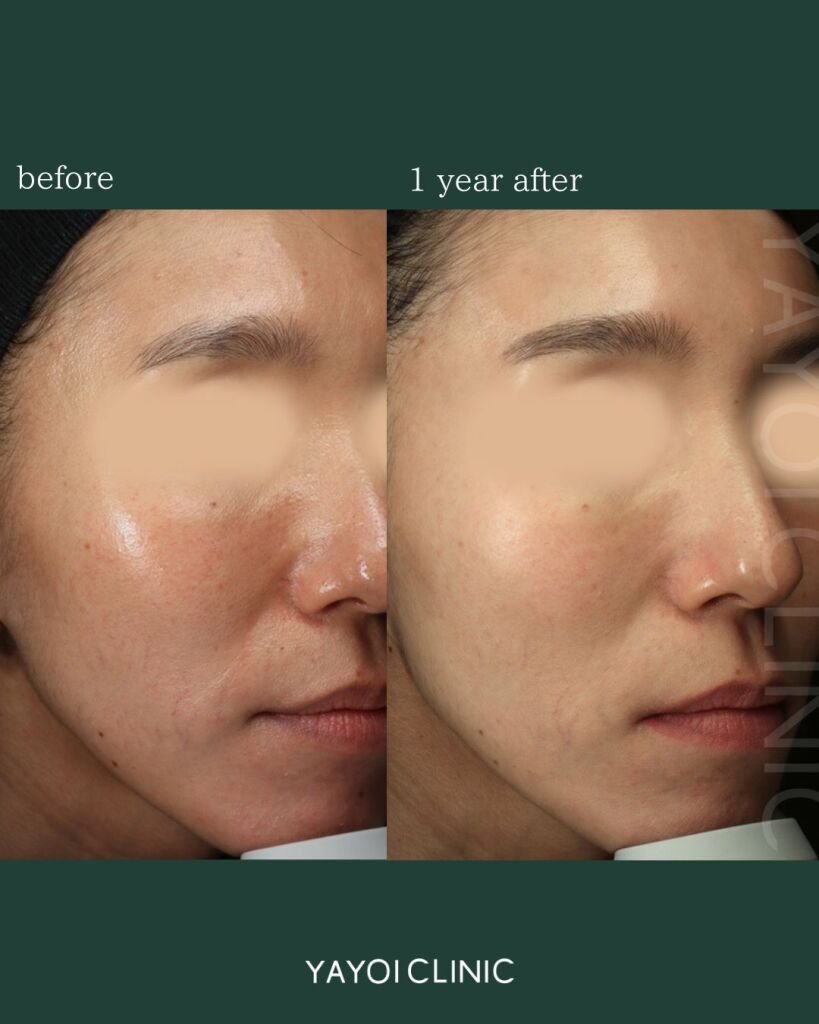
| Name of treatment | Skin Management Personalized Plan®︎ |
|---|---|
| Treatment period frequency |
3 times 1 course of 3 times x 4 times the same treatment 12 times or more recommended |
| Treatment Time | 19,800 yen plan: about 60 minutes 29,800 yen plan: 75 to 90 minutes 49,800 yen plan: 90 to 120 minutes 99,800 yen plan: 120 to 180 minutes *It takes +30 minutes for a lapse. |
| Side Effects risk |
TriBeam Premium Post-inflammatory hyperpigmentation, scarring, depigmentation, texture changes, erythema, etc. [Mesotherapy Redness, heat, itching, swelling, rash, etc. due to allergic reaction to the drug used Intense Ultra Redness, heat, itching, swelling, rash, etc. due to allergic reaction to the drug used [Selleck V Pain, skin damage, pigmentation, scarring, excessive edema, erythema/purpura, etc. Intense Ultra Redness, heat, itching, swelling, rash, etc. due to allergic reaction to the drug used Massage peel, milano peel, mint peel Subcutaneous bubbles, scabs, redness, peeling, dryness, temporary worsening of acne, swelling, etc. |
| cost | Plan A: 21,780 yen Plan B: 32,780 yen Plan C: 54,780 yen Plan C ¥109,780 |
| Name of treatment | Skin Management Personalized Plan®︎ |
|---|---|
| Treatment period frequency |
3 times 1 course of 3 times x 4 times the same treatment Recommendation to continue for at least 12 months |
| Treatment Time | 19,800 yen plan: about 60 minutes 29,800 yen plan: 75 to 90 minutes 49,800 yen plan: 90 to 120 minutes 99,800 yen plan: 120 to 180 minutes *It takes +30 minutes for a lapse. |
| Side Effects risk |
TriBeam Premium Post-inflammatory hyperpigmentation, scarring, depigmentation, texture changes, erythema, etc. [Mesotherapy Redness, heat, itching, swelling, rash, etc. due to allergic reaction to the drug used [Selleck V Pain, skin damage, pigmentation, scarring, excessive edema, erythema/purpura, etc. Intense Ultra Redness, heat, itching, swelling, rash, etc. due to allergic reaction to the drug used Massage peel, milano peel, mint peel Subcutaneous bubbles, scabs, redness, peeling, dryness, temporary worsening of acne, swelling, etc. |
| cost | Plan A: 21,780 yen Plan B: 32,780 yen Plan C: 54,780 yen Plan C ¥109,780 |
| Name of treatment | Skin Management Personalized Plan®︎ |
|---|---|
| Treatment period frequency |
3 times 1 course of 3 times x 4 times the same treatment 12 times or more recommended |
| Treatment Time | 19,800 yen plan: about 60 minutes 29,800 yen plan: 75 to 90 minutes 49,800 yen plan: 90 to 120 minutes 99,800 yen plan: 120 to 180 minutes *It takes +30 minutes for a lapse. |
| Side Effects risk |
TriBeam Premium Post-inflammatory hyperpigmentation, scarring, depigmentation, texture changes, erythema, etc. [Mesotherapy Redness, heat, itching, swelling, rash, etc. due to allergic reaction to the drug used Intense Ultra Redness, heat, itching, swelling, rash, etc. due to allergic reaction to the drug used [Selleck V Pain, skin damage, pigmentation, scarring, excessive edema, erythema/purpura, etc. Intense Ultra Redness, heat, itching, swelling, rash, etc. due to allergic reaction to the drug used Massage peel, milano peel, mint peel Subcutaneous bubbles, scabs, redness, peeling, dryness, temporary worsening of acne, swelling, etc. |
| cost | Plan A: 21,780 yen Plan B: 32,780 yen Plan C: 54,780 yen Plan C ¥109,780 |
| Name of treatment | Skin Management Personalized Plan®︎ |
|---|---|
| Treatment period frequency |
3 times 1 course of 3 times x 4 times the same treatment 12 times or more recommended |
| Treatment Time | 19,800 yen plan: about 60 minutes 29,800 yen plan: 75 to 90 minutes 49,800 yen plan: about 90 to 120 minutes 99,800 yen plan: 120 to 180 minutes |
| Side Effects risk |
TriBeam Premium Post-inflammatory hyperpigmentation, scarring, depigmentation, texture changes, erythema, etc. [Mesotherapy Redness, heat, itching, swelling, rash, etc. due to allergic reaction to the drug used Intense Ultra Redness, heat, itching, swelling, rash, etc. due to allergic reaction to the drug used [Selleck V Pain, skin damage, pigmentation, scarring, excessive edema, erythema/purpura, etc. Massage peel, milano peel, mint peel Subcutaneous bubbles, scabs, redness, peeling, dryness, temporary worsening of acne, swelling, etc. |
| cost | Plan A: 21,780 yen Plan B: 32,780 yen Plan C: 54,780 yen Plan C ¥109,780 |

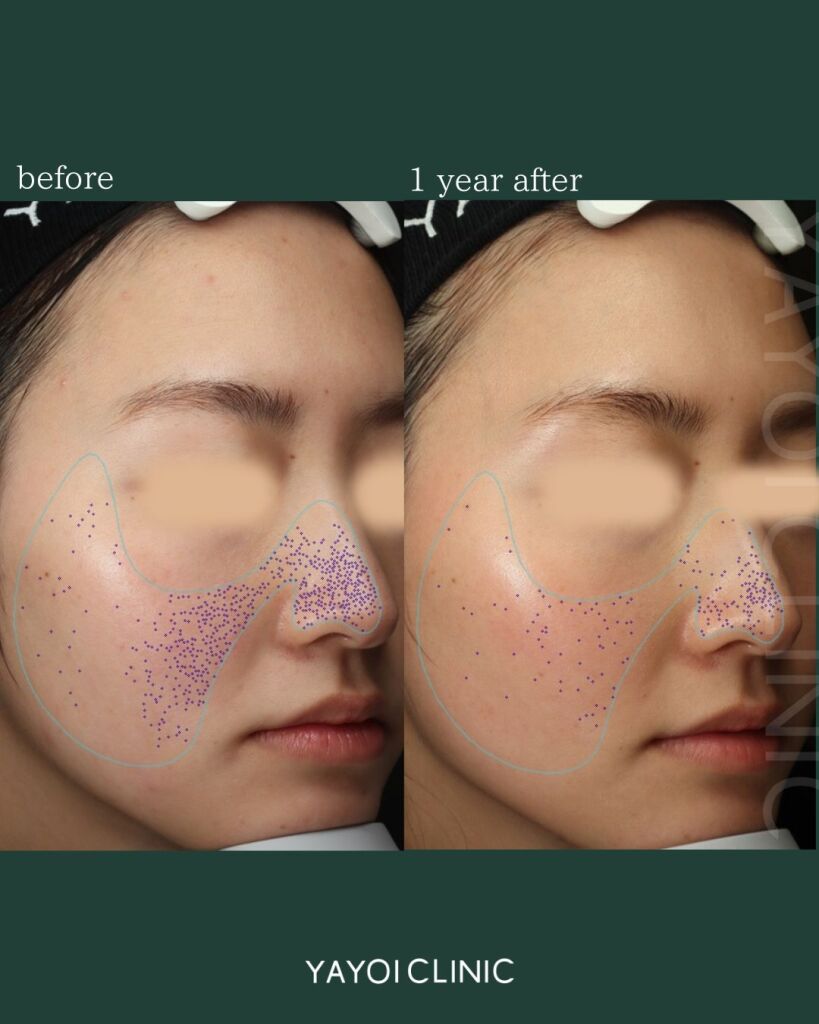
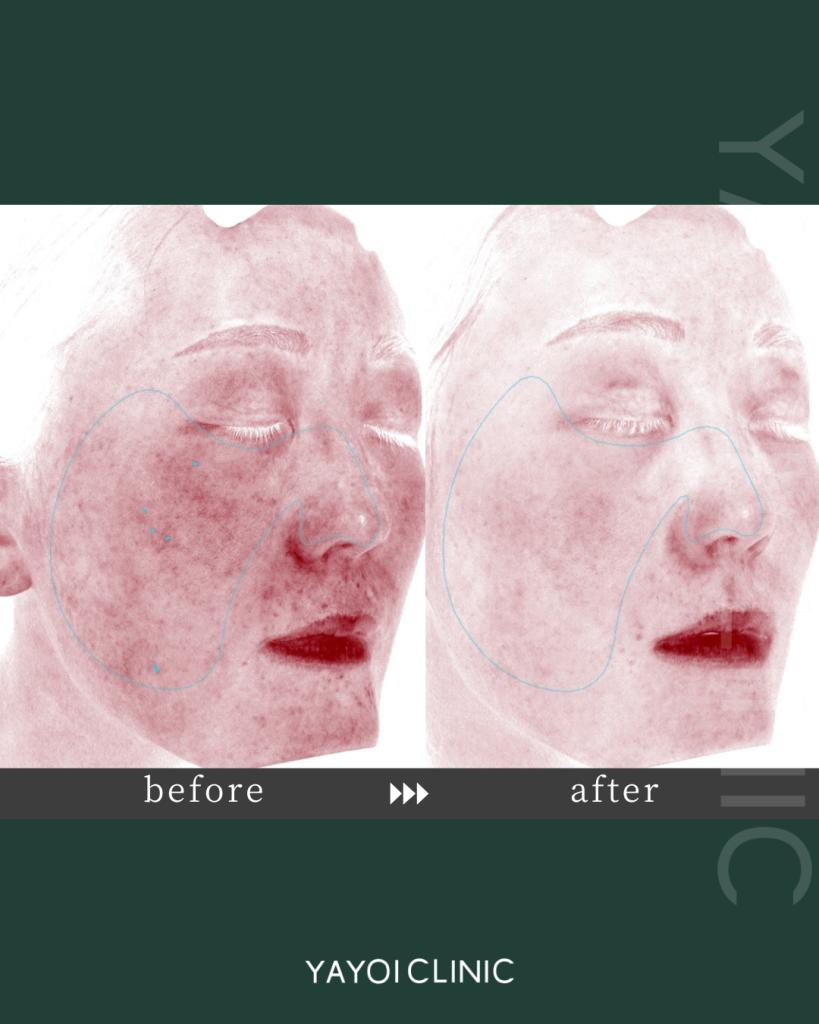
With VISIA® Diagnosis, what you can't see
Visualizes even skin spots
It detects not only the skin's surface but also dark spots and UV damage that are difficult to see with the naked eye.
We design treatment plans that address not only the spots you can see now, but also “spots that may appear in the future.”

Think in terms of “using different lasers for different purposes”
The appropriate treatment approach varies depending on the type of dark spot. Rather than relying on a single device, we combine multiple lasers—such as the Q-switched ruby laser and TriBeam—based on the patient’s skin condition.

The doctor “assesses,
”Designing Down to the Order"
Before treatment, a doctor will conduct a direct examination to assess the type of dark spots and the condition of your skin. Rather than relying solely on appearance, we evaluate whether treatment is appropriate and determine the best sequence of procedures from a medical perspective.

We don't stop at just the treatment,
Consistent Follow-Up
We provide comprehensive support, from follow-up care after your treatment to guidance on home care. Our care isn’t just a one-time service—we’ll adjust our approach as your skin’s condition changes.

Q-switched ruby laser
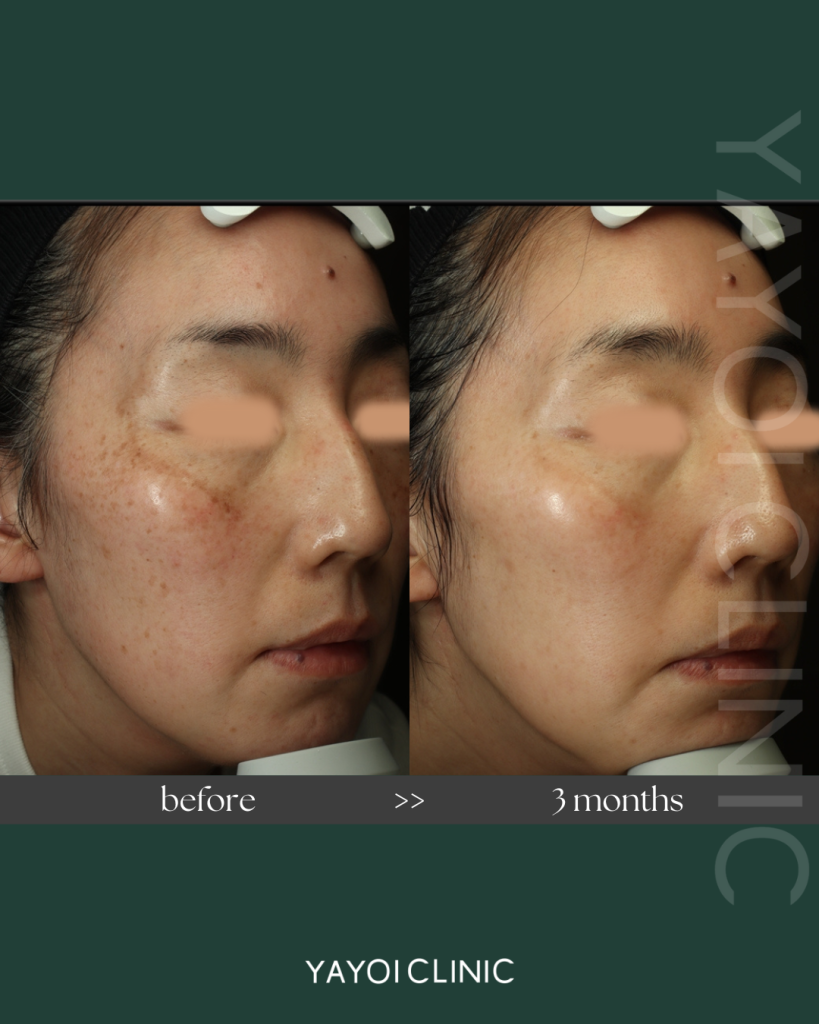
A medical laser designed to target pigmented lesions with well-defined borders, such as age spots and freckles. It utilizes its ability to react with melanin to deliver the laser energy while minimizing the impact on surrounding tissue.
- senile pigmentation
- freckles

Cellec V
This treatment uses IPL (intense pulsed light) energy across multiple wavelengths to address a wide range of skin concerns, including dark spots, freckles, and redness. With the goal of evening out the skin tone across the entire face, the treatment is administered in stages based on the condition of the skin.
- spot (on one's skin, e.g. chloasma, liver spot)
- freckles
- blush
- Dullness

Tri-beam Premium
(Toning)
This treatment uses low-power laser light applied evenly to address issues such as uneven skin tone and dullness. It takes a step-by-step approach with the goal of evening out the overall skin tone.
- Color unevenness
- Dullness

Customized Treatment
A customized plan that combines multiple treatments and care options based on the results of the VISIA® analysis. In addition to laser treatments, the plan may include IV drips and oral medications, and is tailored to your skin condition.
- Mixed Pigmentation
- Precautions Against Recurrence

We don't just stop at applying the laser.
All the way through to the preparations needed to ensure results.
YAYOI CLINIC's
Premedication

Relief from Skin Inflammation and Dryness
When treating age spots, it’s important to restore the dermis to its healthy state.
If necessary, we’ll prepare your skin by using Mesona J, Intense Ultra, or skin-nourishing injections to strengthen its foundation.

Skin-Lightening Care Through Oral and Topical Treatments
Combine this with a skincare regimen that targets melanin production, using ingredients such as tranexamic acid, vitamin C, and hydroquinone.
By incorporating these measures before the procedure, we help you prepare your body in a way that supports your post-operative recovery.
You can also consult with us about your daily skincare routine.

Support via IV Drip
IV therapy that restores your body’s balance from the inside out.
In some cases, high-concentration vitamin C IV drips or “shiratama” IV drips are used in combination with other treatments to lay the foundation for healthy skin.

UV Protection Starting 2 to 4 Weeks Ago
Exposure to excessive ultraviolet rays before the procedure can activate melanocytes, which may affect the post-treatment reaction.
For this reason, we ask that you take thorough precautions against UV exposure starting several weeks before your treatment.
 Caution
Pre-Use Check of Oral Medications and Supplements
Certain herbal medicines, hormone medications, and photosensitizing drugs may affect the treatment. Please let us know in advance if you are currently taking any medications or supplements.
About Post-Inflammatory Hyperpigmentation (PIH)
After laser treatment, you may experience “rebound dark spots,” where dark spots temporarily appear darker. This is a type of reaction known as “post-inflammatory hyperpigmentation (PIH).” While these spots usually fade over time, pigmentation may persist if UV protection and aftercare are insufficient. At YAYOI CLINIC, we provide detailed explanations of post-treatment care and offer support that takes these risks into consideration.
Post-inflammatory Hyperpigmentation (PIH)
Can minimize risk
If you are exposed to UV rays after a treatment, melanocytes may become active again, potentially leading to “post-inflammatory hyperpigmentation (PIH),” in which dark spots reappear or become darker. It is easier to minimize this risk during periods when UV exposure is low.
Makes it easier to reduce the burden of aftercare
After a treatment, it’s important to moisturize your skin thoroughly and protect it from UV rays. Since skincare becomes more of a burden during seasons with strong sunlight, starting your routine when UV exposure is lower will help you maintain your daily skincare regimen without feeling overwhelmed.
Makes downtime more comfortable
After a skin spot removal treatment, there is a downtime period of about 1 to 2 weeks during which the spots may temporarily darken or form scab-like crusts. If the treatment takes place during a time of year when you don’t expose much skin, it’s easier to cover up these visible changes, allowing you to go about your daily life without worrying about what others think.
Work backward from the “day you want to show it”
When it comes to removing dark spots, it’s best to approach the process holistically—including not only the treatment itself but also pre- and post-treatment care and monitoring your progress. By starting well in advance during a time when UV exposure is minimal, you can create a manageable schedule that prepares you for occasions when you’ll be showing your skin.
春(March–May)
This is the time of year when UV levels start to rise. If you’re planning to undergo a treatment during this season, make thorough sunscreen application and consistent UV protection your top priorities. Aim to complete your treatment about 2 to 3 months before events where you’ll be exposing more skin—such as cherry blossom viewing or travel—to ensure your skin is in optimal condition on the day of the event.
夏(June–August)
Since this is the time of year when UV rays are at their strongest, we do not recommend undergoing new skin spot removal treatments. Consider this period a preparation phase for your next treatment, and focus on protecting your skin by thoroughly blocking UV rays with sunscreen, a hat, and a parasol.
秋(September–November)
With UV levels subsiding, now is the perfect time to start skin spot removal treatments. Since the post-treatment downtime (1–2 weeks) coincides with a season when you’re less likely to expose your skin, the ideal schedule is to first schedule a consultation and begin treatment in October.
冬(December–February)
This is the time of year when UV exposure is at its lowest, making it easier to follow a post-treatment care regimen. If you have a special occasion coming up in the spring or summer when you want to show off your results, we recommend completing your treatment during this period to ensure you have plenty of time for post-treatment care.
Preparation Period
STEP 01 - 03

VISIA® Diagnosis
We visualize the types and depths of skin spots. We identify even latent spots invisible to the naked eye and design a treatment plan.

Thorough UV Protection
By taking measures to protect yourself from UV rays about one month before your treatment, you can help suppress excessive melanocyte activity. Be sure to use sunscreen, of course, and also make use of hats, parasols, and other items to protect yourself from UV rays on a daily basis.

Soothing and Balancing the Skin
If you have acne or inflammation, our priority is to soothe your skin first. We’ll determine the best time for your treatment based on your skin condition, while also taking into account any oral or topical medications you may be using.
Treatment (Same Day)
STEP 04 - 05

Laser Treatment
We adjust the equipment and output settings based on the type of dark spot being treated. We use anesthetic cream and cooling as needed to minimize discomfort to the skin. Treatment time varies depending on the condition and size of the dark spot, but as a general guideline, it takes about 10 to 15 minutes per area.

Post-Treatment Instructions
We will carefully explain the condition of your skin after laser treatment for dark spots, as well as the risks and preventive measures for post-inflammatory hyperpigmentation (recurring dark spots), and skincare tips.
after-sales service
STEP 06 - 07

Downtime (1–2 weeks)
After the treatment, the dark spots will turn black and form scab-like crusts, which will eventually peel off naturally. During this period, it is essential to continue moisturizing and protecting your skin from UV rays.

Follow-up and Perceived Effects
Over time, changes in dark spots and skin tone may become apparent. Depending on your condition, we will consider additional treatments.
| Q-switched ruby laser (per 1 mm) |
¥1,100–¥3,300 *May vary depending on the size and condition of the stain. |
|---|---|
| Tri-beam Premium (Full Face) |
¥16,500–¥22,000 *Estimated Upper Limit* |
| AdvatX Laser | To be discussed separately |
| VISIA® Diagnosis (Initial Visit) | ¥3,300 |
|
*Prices vary depending on the number and extent of the spots. We will explain the details during your counseling session. *Please note that initial and follow-up visit fees may apply separately. |
|
