
Dr. Yayoko Ito
Profile
Graduated from Hiroshima University School of Medicine. After working in the Department of General Medicine, he studied under doctors at the forefront of cosmetic medicine. After acquiring knowledge and skills in aesthetics, he became the director of YAYOI CLINIC in 2023. Her specialties include Botox, hyaluronic acid injections, and customized sagging treatment. His motto is to provide natural and pain-free treatments with careful consultation.
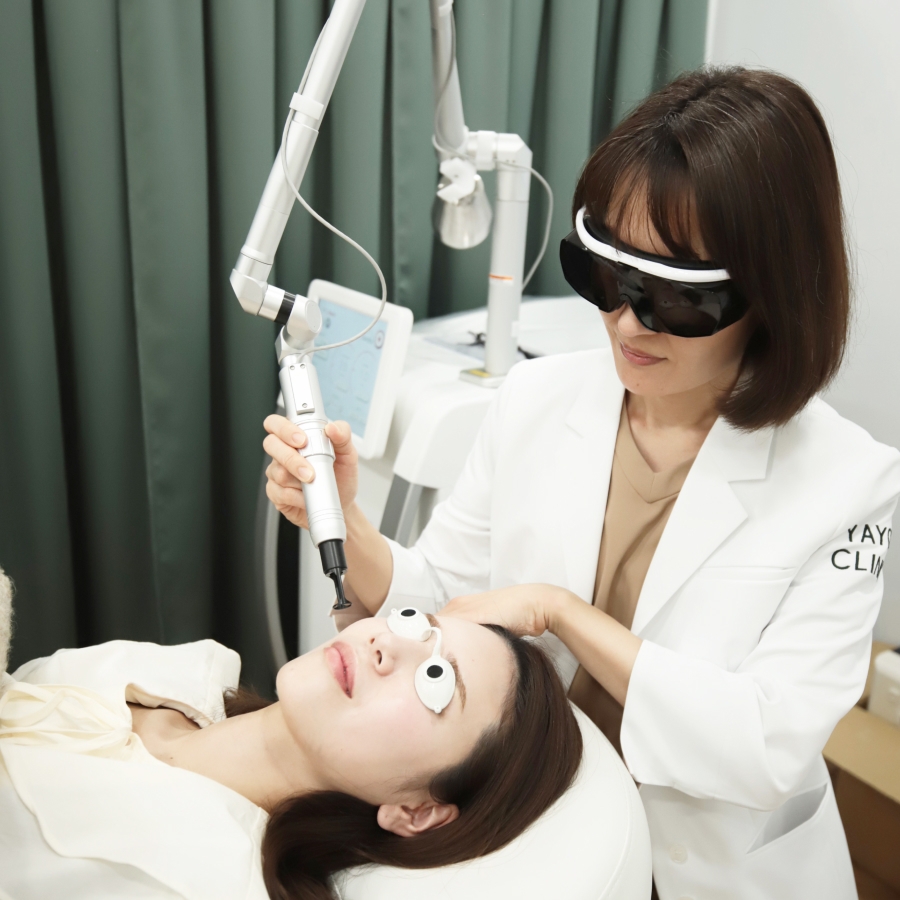
For those who are interested in receiving the Q-switched ruby laser in Hiroshima. The Q-switched ruby laser is attracting attention from people who want to have beautiful skin, but you may have many questions about which clinic you should take it at and how effective it is. In this article, Yayoi Clinic (YAYOICLINIC), a cosmetic dermatology clinic in Hiroshima, Japan, will introduce Q-switched ruby laser in detail. Through this article, please use it as a reference to deepen your understanding of the procedure and consider the best choice for you.
What is the Q-switched ruby laser?
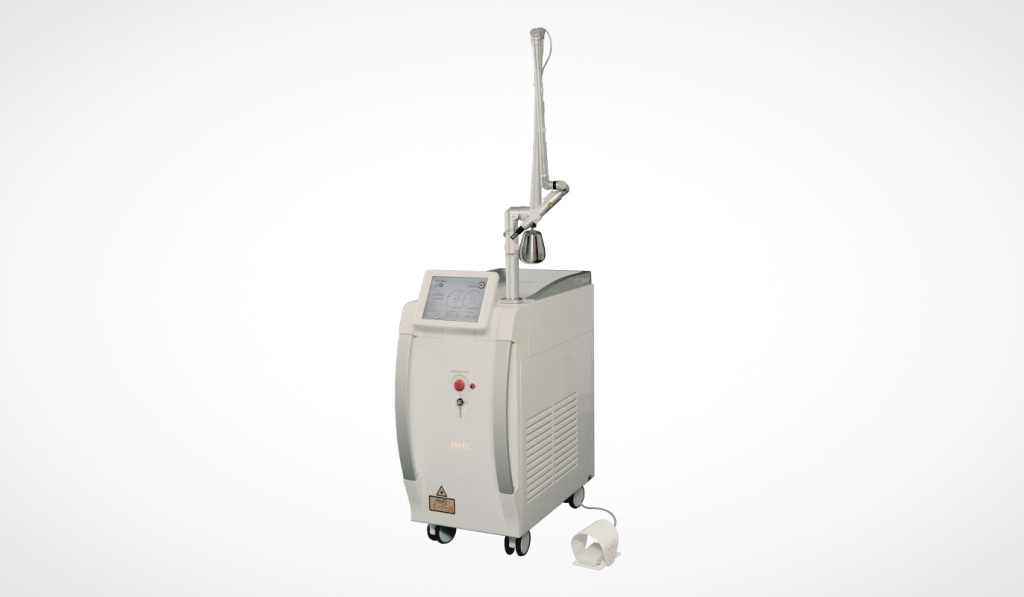
First, we will explain in detail what the Q-switched ruby laser procedure is.
■Principle and Mechanism of Q-Switched Ruby Laser
The Q-switched ruby laser is a laser treatment device based on the "selective photolysis theory" proposed in 1983.Designed for high energy and short irradiation time, it approaches spots by selectively destroying melanin granules.The laser can be used for a wide range of applications, including Because it can irradiate deeper areas than conventional lasers,Highly effective on relatively deep spotsPain during the procedure is mild, but anesthesia may be used if necessary. It is important to protect the skin with protective tape prescribed by the clinic, as a scab will form approximately one week after irradiation. If the tape is not applied, the skin condition may take longer to settle, so tape should be applied until the scab is removed.
■ Differences between the Q-switched ruby laser and conventional laser treatment
The Q-switched ruby laser can treat spots more effectively than conventional laser treatments. The secret lies in its high absorption rate to melanin (black) and low reactivity to oxidized hemoglobin (red). The laser is irradiated with a shorter pulse width than conventional lasers, because it reacts more efficiently to melanin pigments,Pinpoint approach to blemishes while minimizing damage to surrounding healthy skinIt can be used for a wide range of applications. Another feature is that it tends to reduce pain and downtime compared to other lasers. However, depending on the condition of the spots, it may be necessary to use other lasers in combination or to perform the procedure multiple times, so consultation with a specialist is important.
Q-switched ruby laser indications
The Q-switched ruby laser is an effective procedure that can be used for a variety of skin problems. The main indications for this treatment are,spots, freckles, nevus ota (blue birthmark), and mongolian spots.melanin pigment diseaseThe following is a list of the most common types of spots that are covered by insurance. While blemish removal at cosmetic dermatology clinics is free of charge, Nevus Ota (blue birthmark) and Mongolian spot are covered by insurance for treatment at general dermatology clinics.
Face, back of hands, arms and legs,Can be performed on almost any part of the bodyIt is. It is also used for tattoo removal because of its ability to treat a wide range of conditions, but the effectiveness may vary depending on the color. Generally, one or two treatments are expected to be effective for blemishes, but multiple treatments may be necessary for birthmarks and tattoos. Because of its property of selectively destroying melanin pigments, it is possible to achieve an effective approach while minimizing damage to the surrounding tissues.
Frequently asked questions about Q-switched ruby laser
Let's clear up some of the questions you may have about the Q-switched ruby laser.
How painful is the Q-switched ruby laser?
The pain of the Q-switched ruby laser varies, though, depending on the intensity of the spots and personal sensation,Many people describe the sensation as "like being popped with a rubber band.The laser is applied to the skin. Momentary pain is felt during laser irradiation, but it is not a persistent pain. To reduce pain, a local anesthetic cream may be applied before the procedure and a cooling device may be used during the procedure. Even those with sensitive skin or those who are sensitive to pain can undergo the procedure with relative comfort thanks to these devices. However, since the way one feels pain varies depending on the area to be treated and the individual's pain perception, it is important to consult with the physician beforehand and choose the pain control measures that are best suited to one's needs.
■How many times and how long is the Q-switched ruby laser treatment?
The number of Q-switched ruby laser treatments and their duration,Varies depending on the individual skin condition and the extent of the stain.When multiple treatments are required, such as for spots in the dermal layer, they are generally spaced at least 3 weeks apart. Depending on the symptoms.May take 3-6 months to become less noticeableThe skin is removed after the procedure. After the procedure, a dark brown thin skin is formed, which peels off in about 10 days. To maintain the effect, it is recommended to consider re-treatment after six months or more. During the treatment period, the use of sunscreen is recommended as the skin tends to be more sensitive. Thoroughly protect the skin from ultraviolet rays, as exposure to ultraviolet rays can lead to the recurrence of spots.
■ Are there any disadvantages or risks of Q-switched ruby laser?
The Q-switched ruby laser is effective for spot removal and other applications, but it has several disadvantages and risks.Redness and mild swelling may occur immediately after the procedure, but usually settles down in a few daysIt is. In rare cases, temporary hyperpigmentation may occur, but in most cases it will disappear spontaneously in 3 to 6 months. Pain varies from person to person, but can be reduced by anesthesia and cooling.Pre-diagnosis is important for those with melasma because of the risk of hyperpigmentation.This will be the case. In addition, UV protection is essential after the procedure, and without proper care, the risk of post-inflammatory hyperpigmentation is increased. These risks can be minimized with proper postoperative care under the care of a skilled and knowledgeable physician.
Points to consider when choosing a clinic for Q-switched ruby laser in Hiroshima
Let's keep in mind the criteria for choosing a clinic to perform Q-switched ruby laser.
■Check the doctor's experience and technical skills
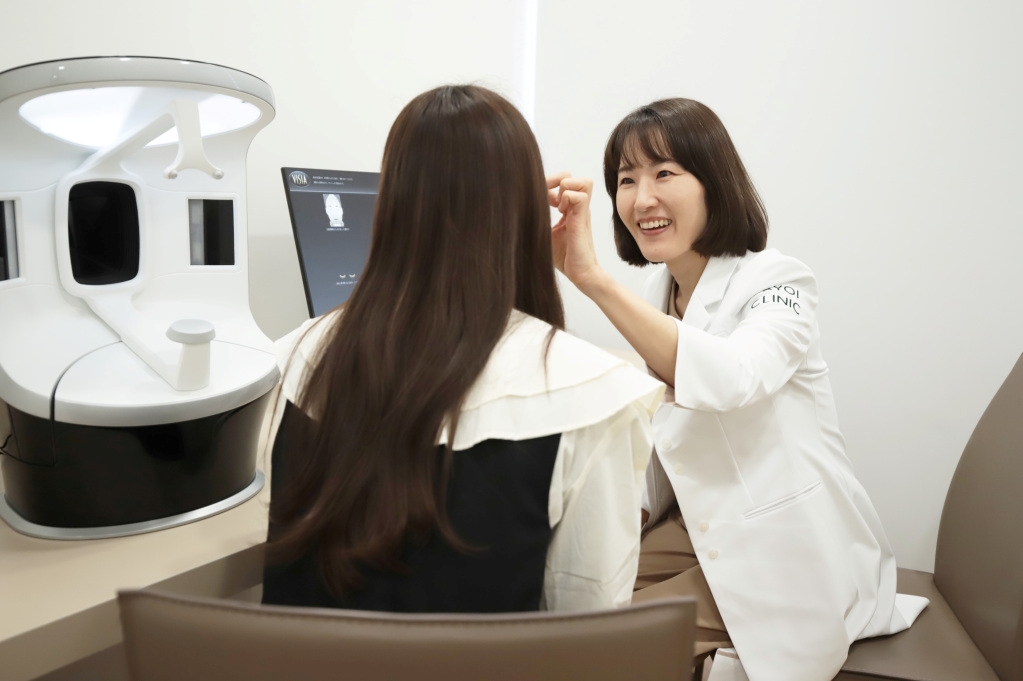
The experience and technical skill of the physician performing the procedure is important to ensure the effectiveness of the Q-switched ruby laser and to prevent failure. When undergoing treatment in Hiroshima, check the doctor's laser treatment history and number of cases. Also, the treatment method differs depending on the type of blemish or tattoo,It is important to choose a doctor who can make an accurate diagnosis and treatment planIt is. In addition, the clinic must also have the technical skills to make detailed adjustments according to the patient's skin type and requirements. A reliable clinic should be able to recommend the best treatment for each individual patient through detailed counseling. A procedure performed by an experienced physician will not only be effective, but also reduce risks.
■Check the follow-up after the treatment.
After the Q-switched ruby laser, proper care is important to ensure the best results. Immediately after the procedure, a special tape is used to protect the affected area. You may wonder how long you should keep it on, but keep it on and do not touch it until the scab peels off naturally. One to two weeks after the procedure, new skin will appear, and in some cases, post-inflammatory hyperpigmentation may occur. This will peak at 1 month and gradually fade, but may last as long as 3-6 months before disappearing completely. To care for hyperpigmentation, it is important to avoid rubbing and sun exposure during the downtime. The use of hydroquinone or tretinoin may also be considered. It is recommended to protect the affected area from various irritants for about 6 months, with regular checkups.
■ Conclusion.
Q-switched ruby laser treatment is an attractive procedure for many people with skin concerns. At Yayoi Clinic (YAYOIClinic), a cosmetic dermatology clinic in Hiroshima, specialists provide careful diagnosis and offer customized treatment plans tailored to individual skin types. If you are looking for a clinic you can trust, one of the first steps is to consult with us for a consultation. Why not expand your options and consider a treatment method that will give you beautiful skin?
Aesthetic Dermatology, Aesthetic Medicine, Aesthetic Surgery, Art Make-up Yayoi Clinic (YAYOI CLINIC) in Hiroshima introduces treatments for different problems of the skin, body, and face.
In order to offer a better option for everyone, we will assess each person's skin condition and formulate a treatment plan that meets their needs in terms of treatment duration, budget, and acceptable downtime.
If you have any concerns, please come for a counseling session first.
■Related Articles Recommended for You
Description of Treatment] Q-switched ruby laser
The number of treatments may vary from person to person depending on the symptoms and the extent of the disease.
Cost】¥1,500〜¥98,000 ※Additional treatment fee may be charged.
[Side effects/risks] Redness, pain, scabbing, hyperpigmentation, spotting, recurrent hyperpigmentation, temporary inflammatory hyperpigmentation, redness, blistering, crusting, etc.
Equipment used.
Machinery and Equipment (31) Medical Cauterization Equipment
Highly controlled medical device Ruby laser (36189000)
Specified maintenance controlled medical device Installation controlled medical device
The Ruby Z1 Nexus
Medical device approval number: 30200BZX00022000


