
Kiko Kono, M.D.
Profile
Graduated from Kawasaki Medical School. Worked as a dermatologist for about 20 years at core hospitals. After many years of experience and achievements, he became a cosmetic dermatologist. His practice style is to examine the skin thoroughly and pursue what is happening where on the skin and approach the problem. Her specialties include customized treatment, laser treatment, Botox, and skin growth injections. In her private life, she is a mother of two children.
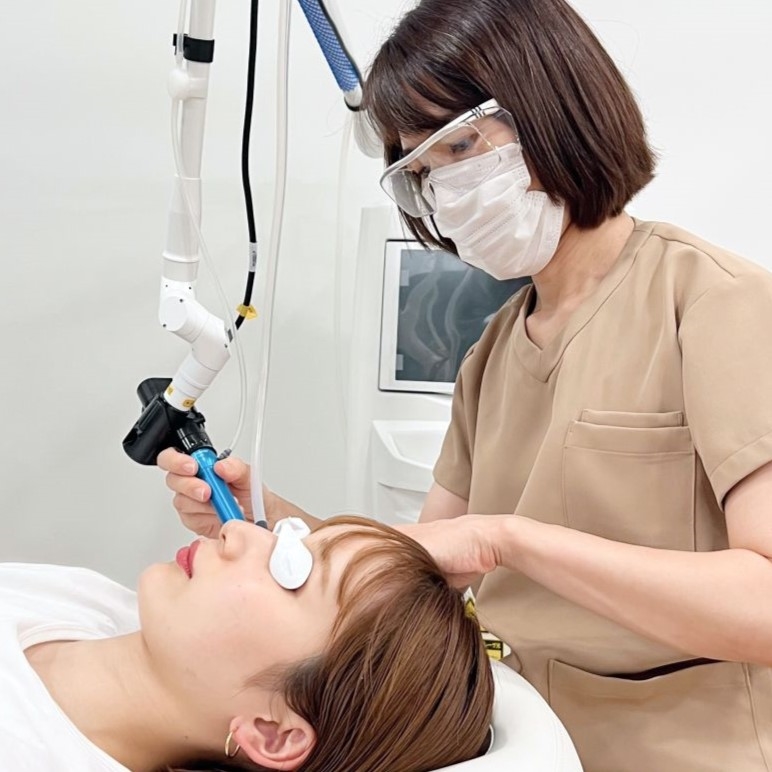
This article is recommended for Hiroshima residents who are wondering, “I want to know which hospitals have a good reputation for mole removal.” Are you thinking about having a mole removed but unsure which clinic to choose? Many people feel anxious about the procedure itself and the recovery process. In this article, we’ll explain the basics of mole removal and what to keep in mind when undergoing the procedure. We’ll also show you how to find recommended clinics in Hiroshima, so please read on to the end.
[A Quick Review of the Basics Before Finding a Hospital with a Good Reputation for Mole Removal] Which Clinics in Hiroshima Are Recommended?
There are two main methods for mole removal: excision and CO₂ (carbon dioxide) laser treatment. Each has its own characteristics and advantages, and which one is more suitable depends on the patient’s condition and preferences. If you’re looking for a well-regarded clinic in Hiroshima, it’s important to understand the differences between these two procedures and find the one that’s right for you.
■What Is Mole Removal by Excision?
Mole removal by excision is,Methods Suitable for Large MolesThe procedure is performed under local anesthesia, so pain is kept to a minimum. It takes about 30 minutes and does not require hospitalization. The stitches are removed about one week after the procedure.Although some redness may remain, the scar will gradually fade and become less noticeable after 6 months.. Excision is a method of mole removal that carries a low risk of recurrence.
■What Is Mole Removal Using a CO2 (Carbon Dioxide) Laser?
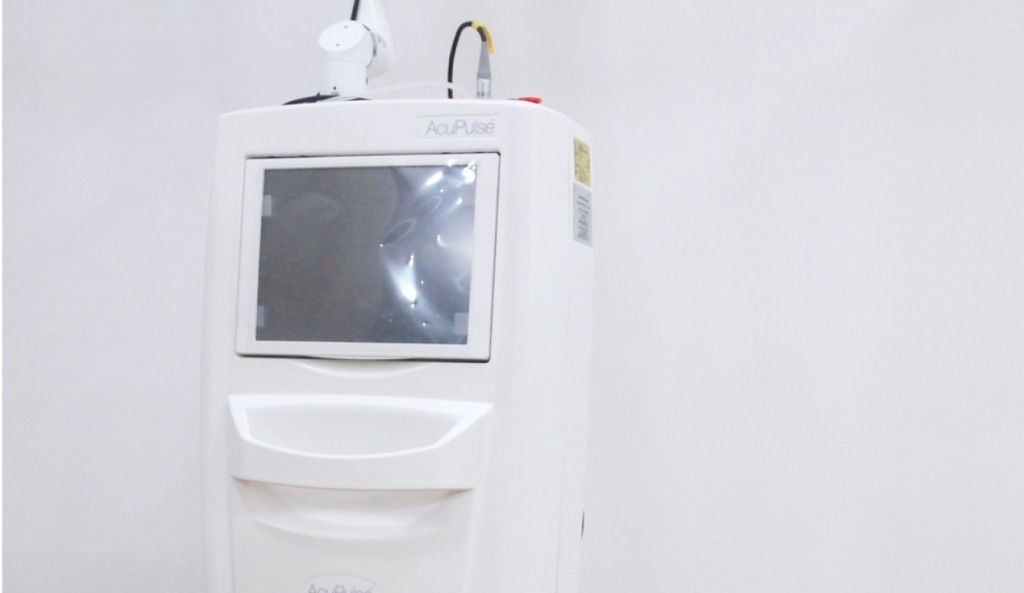
A CO2 (carbon dioxide) laser reacts with the moisture in the skin to generate heat, gradually vaporizing the tissue to remove moles.. Since the procedure can be performed in a relatively short amount of time and pain is easy to manage, it’s an option that even busy people can easily consider. Additionally, due to the thermal coagulation effect, blood from the blood vessels surrounding the treatment areaVery little bleeding and minimal downtimeAs a result, the impact on your daily life is likely to be minimal. However, not all moles can be removed with a CO₂ (carbon dioxide) laser, and deep moles can sometimes be difficult to remove. Be sure to consult with a doctor before undergoing the procedure to confirm whether a CO₂ (carbon dioxide) laser is appropriate for you. CO₂ (carbon dioxide) laser treatments are also available at YAYOI CLINIC, a cosmetic dermatology clinic located in Hiroshima City.
■CO2 (carbon dioxide) laser mole removal is recommended for people like this!
CO₂ (carbon dioxide) laser treatment is recommended for the following individuals:
- For those concerned about moles on their face
- For those who want to remove a small mole
- For those looking for mole removal with minimal downtime
- For those who want to choose a procedure that leaves less noticeable scars
If you're looking to have a mole removed in Hiroshima,Cosmetic procedures are not covered by insurance.This is generally the case. Since eligibility depends on the condition of the mole and the diagnosis, we recommend checking with the clinic in advance.
What Aftercare Do Hospitals with a Good Reputation for Mole Removal Recommend? Hiroshima Yayoi Clinic Explains
Proper aftercare is essential following mole removal. By protecting the treated area according to your doctor’s instructions, you can help minimize the risk of complications such as hyperpigmentation. Here, let’s take a look at the recovery process, precautions, and aftercare following a CO2 (carbon dioxide) laser treatment.
■Post-Treatment Progress
The recovery process after mole removal varies depending on the treatment method. In the case of a CO₂ (carbon dioxide) laser,Downtime tends to be relatively shorter than with surgical removal, and as a general rule, some people can return to their daily routines in about two weeks.After the procedure, the treated area may develop erosion or ulcers, and scabs will form within 1 to 2 weeks before beginning to fall off naturally. Post-inflammatory hyperpigmentation or pink scars may remain, but these will gradually fade. It can take anywhere from 3 months to a year for scars and indentations on the skin’s surface to become less noticeable, so it’s important not to rush and to monitor your progress patiently. Since recovery varies from person to person, please consult the clinic as soon as possible if you have any concerns.
■Post-Treatment Care
Proper care is essential to minimize the visibility of scars after mole removal.Apply the ointment starting on the day of the procedure and continue for about 1 to 2 weeks, and protect the area with a sheet that promotes epithelialization.If the patch comes off, reapply the ointment and replace it with a new one. For the next three months, apply sunscreen to the treated area to protect it from UV rays. In your daily life, be sure to take thorough precautions against UV exposure, such as using a parasol or wearing a hat.
■ What to Do After Mole Removal
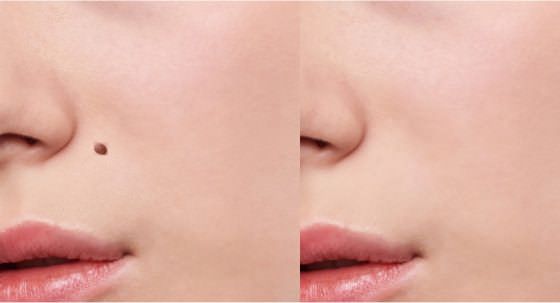
After having a mole removed, be sure to care for the affected area properly and get regular checkups as needed. It’s also important to take thorough precautions against UV rays and maintain healthy lifestyle habits, such as eating a well-balanced diet, getting enough sleep, and engaging in moderate exercise.
[For Those Looking for a Reputable Clinic for Mole Removal] Hiroshima Yayoi Clinic Answers Your Most Frequently Asked Questions
Finally, for those looking for a reputable clinic for mole removal, we’ve compiled a list of frequently asked questions about the procedure in a Q&A format. Yayoi Clinic, a cosmetic dermatology clinic in Hiroshima, answers these questions. If you’re considering mole removal, please use this as a reference.
■ What are some tips for finding a hospital in Hiroshima with a good reputation for mole removal?
When looking for a hospital with a good reputation for mole removal, it’s very dangerous to choose one based solely on reasons like “it has the lowest mole removal fees in Hiroshima Prefecture.” First of all,Check whether the dermatology or cosmetic dermatology clinic offers the mole removal method you’d like to have doneBe sure to thoroughly research the clinic’s services, the doctors’ areas of expertise, and their past case history. It’s also recommended that you schedule a consultation before undergoing treatment to ensure you receive a thorough explanation of the procedure, associated risks, and costs.
■How painful is mole removal?
The pain associated with mole removal varies depending on the procedure and the individual’s sensitivity, but in most cases,Because local anesthesia is used, pain is minimized.. With CO2 (carbon dioxide) laser treatments, it is said that patients typically experience only a mild stinging sensation during and after the procedure.
■Will there be any scars after the procedure?
Scars left after mole removal are,It won't disappear completely, but it will gradually fade over time.. Since CO2 (carbon dioxide) lasers ablate and remove moles, a temporary indentation may appear on the skin’s surface after treatment. This indentation will become less noticeable in about 2 to 3 months as new skin forms. Please be aware that the time it takes for the skin to settle varies from person to person, and that the scar will not disappear completely.
■How many visits will be needed?
The number of sessions required for mole removal varies depending on the treatment area and the individual. In the case of CO2 (carbon dioxide) laser treatment, after the procedure,Most patients return to the clinic for follow-up care.Please note that depending on the size and depth of the mole, additional treatment may be necessary. Since individual results may vary, please follow the instructions of the doctor at the medical facility where you receive treatment.
■ Conclusion.
In this article, we’ve compiled information on the basics of mole removal and the post-treatment recovery process for those looking for a reputable clinic that specializes in mole removal. At Yayoi Clinic, a cosmetic dermatology clinic in Hiroshima, we provide thorough consultations, treatments, and aftercare tailored to each individual patient. If you’re “nervous because this is your first time having a mole removed” or “want to discuss various options before proceeding with the procedure,” it’s important to consult with a trusted clinic to choose the removal method that’s right for you. If you’re considering mole removal, please feel free to consult with us about any skin concerns or questions you may have regarding the procedure. You can book your initial consultation via our official LINE account or our website.
Aesthetic Dermatology, Aesthetic Medicine, Aesthetic Surgery, Art Make-up Yayoi Clinic (YAYOI CLINIC) in Hiroshima introduces treatments for different problems of the skin, body, and face.
In order to offer a better option for everyone, we will assess each person's skin condition and formulate a treatment plan that meets their needs in terms of treatment duration, budget, and acceptable downtime.
If you have any concerns, please come for a counseling session first.
■Related Articles Recommended for You
Description of Treatment] CO2 (carbon dioxide) laser
Approximate number of times of treatment】1 time~
*There are individual differences depending on the area to be treated.
Cost】 ¥4,500~¥98,000 *Additional treatment fee may be charged.
Side effects/risks] Blisters, erosions, redness, post-inflammatory hyperpigmentation, recurrence of moles, internal bleeding, etc.
[Notes on unapproved devices
This procedure may involve the use of unapproved medical devices that have not been approved by the Japanese Ministry of Health, Labour and Welfare.
The medical devices used for the procedure are subject to personal importation procedures under the judgment of a physician. For details, please refer to the Ministry of Health, Labor and Welfare's "Information on Medicines and Other Products of Caution for Personal Importation".
https://www.yakubutsu.mhlw.go.jp/individualimport/purchase/index.html
Except for products that have been approved by the pharmaceutical affairs bodies, there may be no other domestically approved medical devices with the same performance.
Significant risks and side effects may not be evident.
In the unlikely event of a serious side effect, the drug may not be covered by the government's remedy system (Pharmaceutical Adverse Reaction Damage Relief System).


