
Kiko Kono, M.D.
Profile
Graduated from Kawasaki Medical School. Worked as a dermatologist for about 20 years at core hospitals. After many years of experience and achievements, he became a cosmetic dermatologist. His practice style is to examine the skin thoroughly and pursue what is happening where on the skin and approach the problem. Her specialties include customized treatment, laser treatment, Botox, and skin growth injections. In her private life, she is a mother of two children.
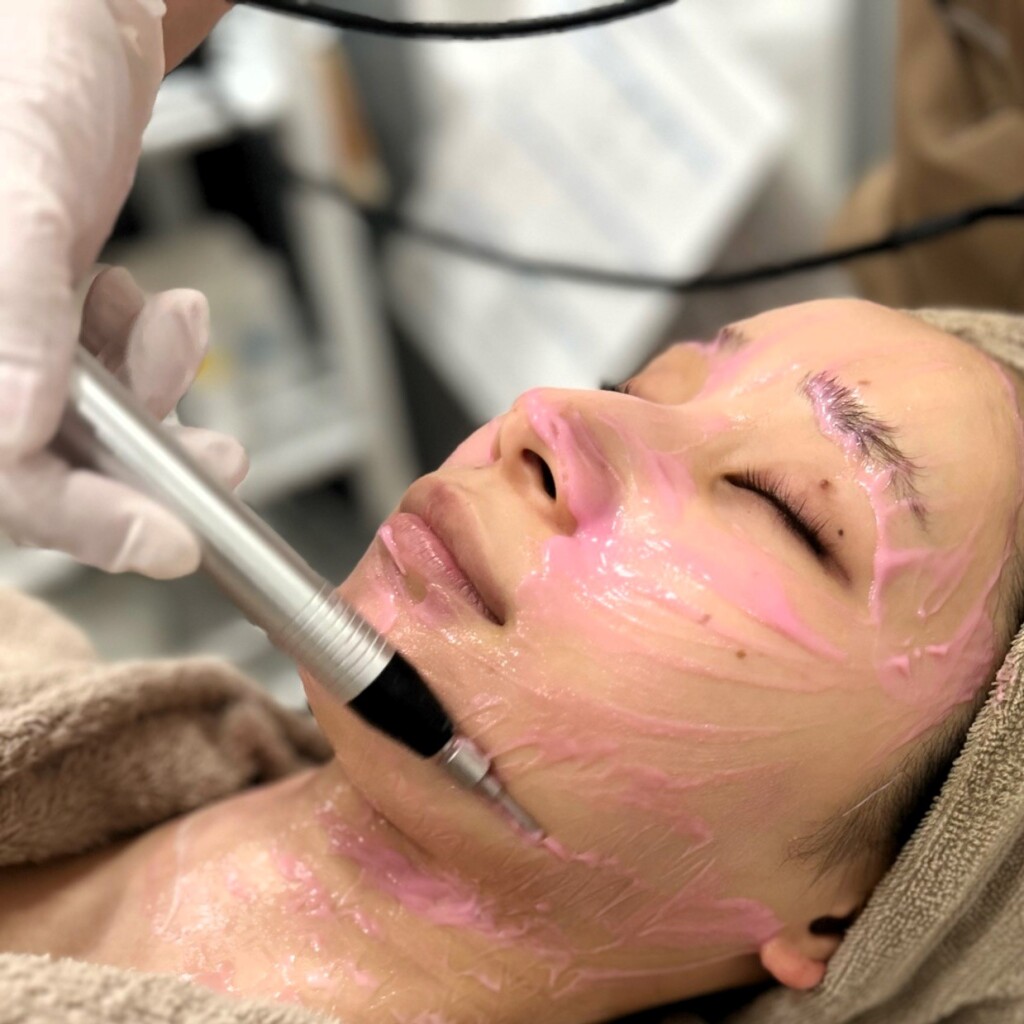
A spot removal laser can effectively improve spots at a beauty clinic. In some cases, post-inflammatory hyperpigmentation (returning pigmentation), in which the stain becomes darker for a certain period of time, may occur among those who have undergone treatment. This article explains the causes and countermeasures for this phenomenon. This article also introduces preventive measures for those who will be undergoing laser spot removal. If you are suffering from hyperpigmentation caused by laser spot removal, please read this article to the end.
What is a spot removal laser? A Review of the Basics
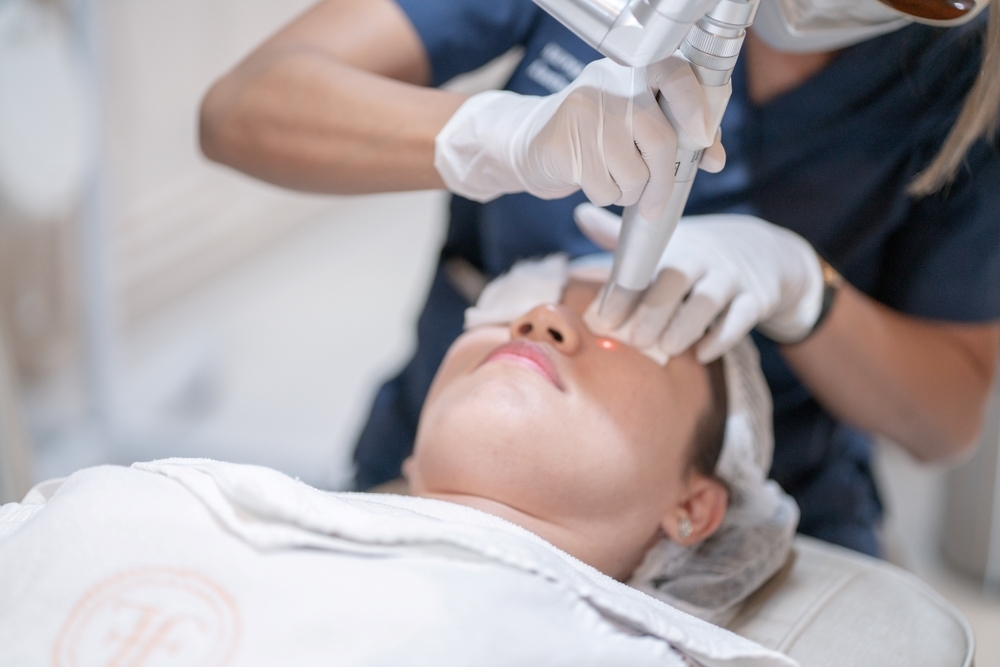
In laser spot removal treatments such as TriBeam,Decomposes melanin pigment, which is the basis of blemishes. The destroyed melanin pigment floats on the epidermis and disappears as a scab or is absorbed by the body. On the other hand, in spot irradiation such as Q-switched ruby laser,Destroys melanin-containing keratinocytes (epidermal cells)The laser is used to treat all types of spots. By using lasers that have the right combination of irradiation energy, irradiation time, and wavelength, it is possible to treat all types of spots. However, in the case of melasma, it is best to avoid laser treatment because it may aggravate the condition.
YAYOI CLINIC has the VISIA, an advanced device that can analyze and predict the current and future state of your skin. It is capable of analyzing not only visible blemishes, but also hidden blemishes and their precursors. By understanding in advance which spots will surface in the future, it is possible to take care of them as early as possible.
Causes of hyperpigmentation after laser spot removal
Why does pigmentation occur again after the melanin pigment is broken down by the spot removal laser? Let's take a look at the causes of the problem.
Due to the length of irradiation time
One of the causes of hyperpigmentation from spot removal lasers is due to the length of irradiation time. If the irradiation time is long,Light may also spread to the normal skin tissue around the blemish, causing unnecessary damagePost-inflammatory hyperpigmentation is the result of damage caused by laser irradiation. The damage caused by the laser reaching skin cells that do not need to be exposed to the laser is manifested as post-inflammatory hyperpigmentation. The longer the irradiation time, the more stress is placed on the skin and the more likely it is to develop hyperpigmentation. When performing the procedure, the physician must determine the appropriate irradiation time to prevent the heat from spreading to skin tissues other than the pigmentation.
Due to excessive activity of melanocytes
Melanocytes are the components that produce pigment. When the skin is damaged by a spot removal laser, inflammation occurs in an attempt to repair the damaged area. Inflammation activates melanocytes, causing them to overproduce melanin pigment. The result,An imbalance between melanin pigment production and emission, which remains on the surface of the skinof the skin. In some cases, hyperpigmentation after laser treatments such as Picospot is likely related to the activation of melanocytes due to inflammation, which can leave a stain.
Due to improper aftercare
After laser spot removal treatment, the skin is in a very delicate state, with a reduced skin barrier function. It may be hypersensitive to external stimuli.Excessive skin care and unprotected exposure to ultraviolet rays can lead to hyperpigmentation.. If you are concerned about pigmentation from a spot removal laser, it is important to ensure proper aftercare.
What to do if hyperpigmentation after laser spot removal does not disappear
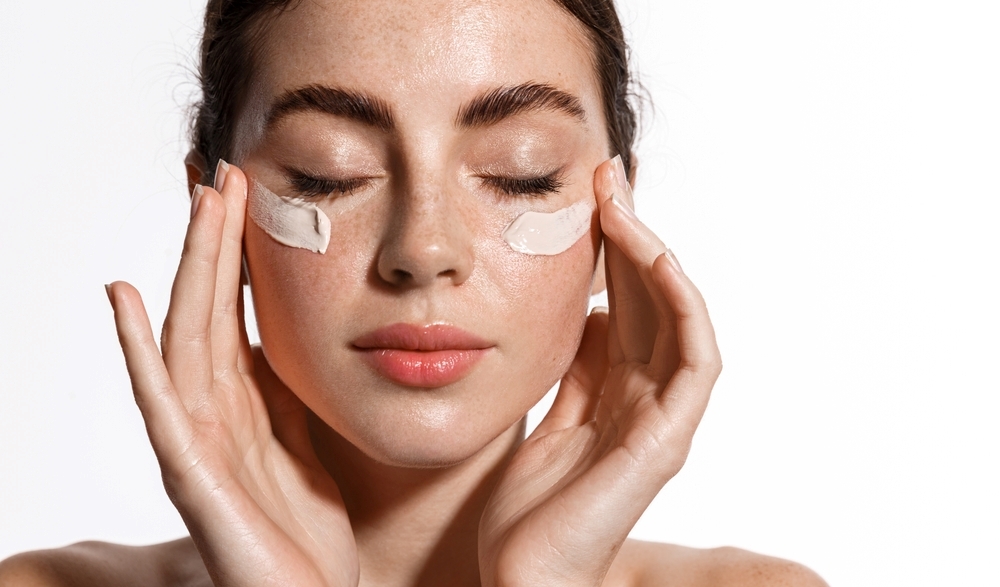
In most cases, hyperpigmentation after laser spot removal will settle down over time. However, many people may feel uneasy if the pigmented areas do not disappear forever. Here are some tips on what to do when pigmentation does not disappear.
Apply hydroquinone or tretinoin.
The most common method of treating hyperpigmentation after laser spot removal is to apply creams containing hydroquinone or tretinoin. Hydroquinone inhibits the production of melanin pigments, while tretinoin helps to eliminate melanin pigments by promoting turnover. By applying,Two ingredients efficiently approach post-inflammatory hyperpigmentationThe two can be used independently. Although each can be used alone, the two can be used in combination to balance the suppression of melanin pigment production and its elimination, and synergistic effects can be expected. Please consult with your doctor at the clinic to determine when hydroquinone and tretinoin should be used.
Take medications that can help with hyperpigmentation after spot removal lasers.
Postinflammatory hyperpigmentation can also be treated with internal medications to improve the skin from the inside. For example,Tranexamic acid and L-cysteineThese are medications that are expected to have a whitening effect, such as There are two types of oral medications: prescription medications available based on a doctor's prescription and over-the-counter medications available at drugstores. It is advisable to decide which one to adopt depending on your lifestyle and the period of time you wish to improve your skin.
Consult the Clinic
One option for hyperpigmentation that remains indefinitely is to undergo another treatment at a clinic. Some clinics offer peeling, which applies a chemical to the skin to stimulate turnover, or transdermal machines, which penetrate active ingredients into the keratin.
YAYOI CLINIC offers three types of peeling treatment (*1): massage peel, milano peel, and mint peel, and one of the attractive points of these treatments is that they can be tailored to suit your skin problems. Peeling removes dead skin cells on the surface of the skin and promotes turnover. In addition, treatment using the transdermal machine MESONA J (*2) penetrates the stratum corneum with active ingredients such as tranexamic acid and vitamin C derivatives that aim to improve post-inflammatory hyperpigmentation (returning spots). This treatment is recommended for those who suffer from rough, dry skin and open pores, as well as spots.
Preventive measures against hyperpigmentation after laser spot removal
This section describes effective preventive measures you can take to avoid hyperpigmentation after a spot removal laser. If you are about to undergo or are about to undergo again a spot removal laser treatment, please refer to this section.
Provide proper UV protection.
After spot removal laser,The skin's ability to protect itself is weakened, making it more susceptible to absorbing ultraviolet rays.It is. Exposure to ultraviolet rays during this time is an irritant and can further aggravate the damage done by the laser. Ultraviolet rays are present all year round, regardless of the season. After the procedure, take proper precautions by using a sunscreen with high SPF or PA and a parasol or hat with UV protection.
Avoid friction against the skin
If friction to the skin causes strong irritation to the treated area, post-inflammatory hyperpigmentation is more likely to occur. For actions that we tend to do in our daily lives,Scrubbing the face hard with a towel after washing, applying lotion or milky lotion to the skin intensely, tapping the puff against the skin many times when applying foundationThe following are some of the things that can be done. When touching the skin after the procedure, it is important to be as gentle as possible to avoid irritation.
Do not forcibly peel off the scab that has formed.
The scab that forms after a laser spot removal treatment serves to protect the treated area from external stimuli and to produce new skin on the inside. Forcibly peeling off the scab may cause severe inflammation and hyperpigmentation. The scab will peel off,Generally 1 to 2 weeks.It is said to be a good idea. Try to avoid touching it as much as possible until the scab is removed naturally.
When does hyperpigmentation after laser spot removal disappear?
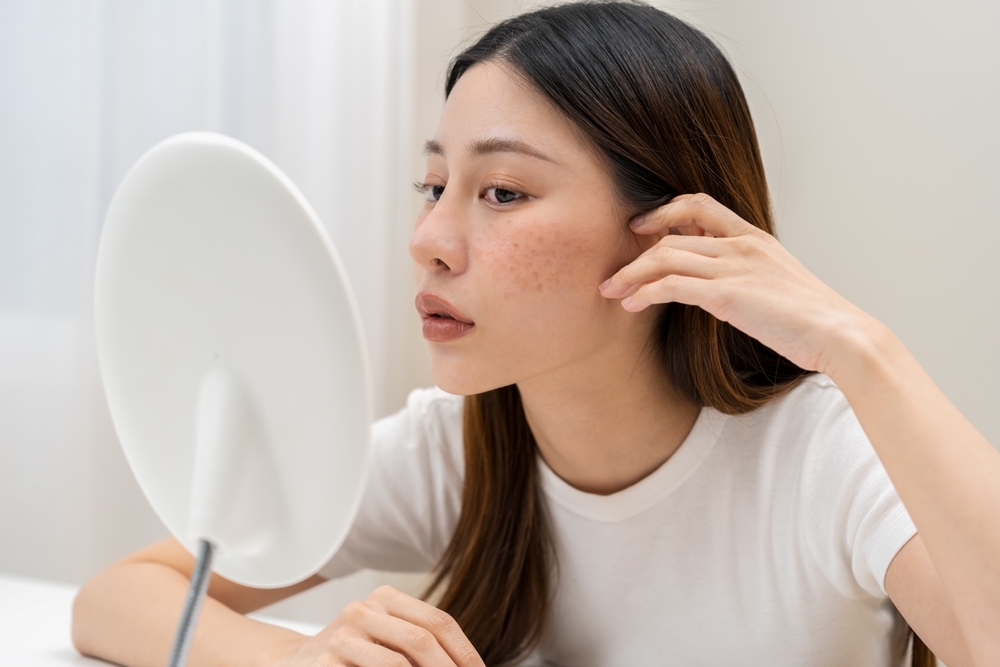
Although the course of postinflammatory hyperpigmentation varies from person to person,Gradual improvement over about 3-6 months.During this period, the skin will be exposed to a wide range of UV rays and appropriate skin care. In the meantime, it is important to be aware of the importance of UV protection and proper skin care to avoid stressing the skin. If the pigmentation after laser spot removal does not improve after six months or more, it is advisable to see a clinic as soon as possible.
Conclusion
We have found that hyperpigmentation after spot removal lasers is more likely to occur due to the length of irradiation, activation of melanocytes, and improper care. If post-inflammatory hyperpigmentation (returning pigmentation) occurs, you should consider using topical or oral medications and visit a clinic if necessary. Also, after treatment, avoid sun exposure, friction, and touching the scab on the affected area to prevent hyperpigmentation from becoming more severe.
Aesthetic Dermatology, Cosmetic Medicine, Cosmetic Surgery, Art Makeup in Hiroshima YAYOI CLINIC offers treatments for different skin, body, and facial concerns.
In order to offer a better option for everyone, we will assess each person's skin condition and formulate a treatment plan that meets their needs in terms of treatment duration, budget, and acceptable downtime.
If you have any concerns, please come for a counseling session first.
Treatment Details] VISIA Skin Diagnosis
VISIA
Duration and number of treatments] 10-15 min.
Cost] 1 time ¥3,300
Risks, side effects, etc.
Although weak UV light is used, the irradiation time is short and there is almost no adverse effect.
Equipment used.
VISIA treatments include procedures using domestically unapproved drugs or medical devices.
Drugs and medical devices used for treatment were imported from Japan under the judgment of our doctors.
Please refer to the following for information on medicines and other items of note for personal importation.
https://www.yakubutsu.mhlw.go.jp/individualimport/purchase/index.html
There are no other domestically approved drugs with the same ingredients or performance.
There is a possibility that serious risks, side effects, etc. have not been identified.
Description of treatment] Q-switched ruby laser
Q-switched ruby laser
Duration and number of treatments] Usually one treatment.
Cost】Spot removal 1 shot ¥1,500, procedure fee ¥10,000, unlimited spot removal ¥98,000
Risk and side effects] Redness, pain, petechial hemorrhage, hyperpigmentation
Equipment used.
Q-switched ruby laser treatment includes procedures using domestically unapproved drugs or medical devices.
Drugs and medical devices used for treatment were imported from Jeisy Medical Inc. under the judgment of our doctors.
Please refer to the following for information on medicines and other items of note for personal importation.
https://www.yakubutsu.mhlw.go.jp/individualimport/purchase/index.html
Machinery and equipment (31) Medical cauterizer Highly controlled medical device Ruby laser (36189000)
Specified maintenance controlled medical device Installation controlled medical device The Ruby Z1 Nexus
There are no other domestically approved drugs with the same ingredients or performance.
Medical device approval number: 30200BZX00022000
There is a possibility that serious risks, side effects, etc. have not been identified.
In the unlikely event of serious side effects, the drug is not covered by the government's Adverse Drug Reactions Relief Program.
Description of treatment] Q-switched Nd:YAG laser (laser toning)
Our equipment] TriBeam Premium
Treatment period and frequency] Once a week, about 5 to 6 times in total
Cost] 1 time ¥21,780
Risks and side effects] Redness, post-inflammatory hyperpigmentation, scar formation, depigmentation, etc.
Equipment used.
TriBeam Premium treatments include procedures using domestically unapproved drugs or medical devices.
Drugs and medical devices used for treatment were imported from Jeisy Medical Inc. under the judgment of our doctors.
Please refer to the following for information on medicines and other items of note for personal importation.
https://www.yakubutsu.mhlw.go.jp/individualimport/purchase/index.html
There are no other domestically approved drugs with the same ingredients or performance.
In the unlikely event of serious side effects, the drug is not covered by the government's Adverse Drug Reactions Relief Program.
Description of treatment] Chemical peeling
Drugs adopted by the hospital
Massage Peel
Milano Repeal Milano Repeal
Mint Peel
Duration and number of treatments
Massage peel: Once every 2-3 weeks, about 5 times in total
Milan Repeal Milan Repeal: once every 2 to 3 weeks, 3 to 10 times in total
Mint peel: once every 1-2 weeks, about 4-6 times in total
Cost]
One time for one part of face, hand, or neck: ¥21,780
Neck and décolleté (Milano Re-Peel only): 1 time ¥43,560
Back (Milano Re-Peel only): 1 time ¥43,560
Risks, side effects, etc.
Massage peel: redness, peeling, scabs, etc.
Milan Repeel: pain, redness, scabbing, temporary worsening of acne, etc.
Mint peel: peeling, redness, swelling, scabs, etc.
[About being an unapproved drug, etc.
The Massage Peel, Milan Peel, and Mint Peel treatments involve the use of domestically unapproved drugs or medical devices.
The medicines and medical devices used for treatment were imported by private individuals based on the judgment of the doctors at our clinic. Please refer to the following for information on medicines and other items of concern for personal importation.
https://www.yakubutsu.mhlw.go.jp/individualimport/purchase/index.html
There are no other domestically approved drugs with the same ingredients or performance.
There is a possibility that serious risks, side effects, etc. have not been identified.
In the unlikely event of serious side effects, the drug is not covered by the government's Adverse Drug Reactions Relief Program.
Description of treatment] Mesoporation (electroporation)
Our adopted equipment] MESONA J
Treatment period and frequency] Once every 4 weeks, about 4 to 6 times in total
Cost] 1 time ¥21,780~ ¥32,780
Risks and adverse reactions] Allergic reactions (redness, heat, itching, swelling, rash), tingling, irritation, flashes, etc. due to the drug used
Equipment used.
Treatment of MESONA J includes procedures using domestically unapproved drugs or medical devices.
The medicines and medical equipment used for treatment were purchased from SeleneMedical, Inc. under the judgment of our physicians. Please refer to the following for information on drugs and equipment that should be purchased privately.
https://www.yakubutsu.mhlw.go.jp/individualimport/purchase/index.html
There are no other domestically approved drugs with the same ingredients or performance.
Information on safety, etc. in Japan. The following certifications have been obtained
Safety standard JIS-T 0601-1 (IEC60601-1:2005)
Electromagnetic compatibility (EMC) IEC60601-1-2:ed3
There is a possibility that serious risks, side effects, etc. have not been identified.
In the unlikely event of serious side effects, the drug is not covered by the government's Adverse Drug Reactions Relief Program.


