
Kiko Kono, M.D.
Profile
Graduated from Kawasaki Medical School. Worked as a dermatologist for about 20 years at core hospitals. After many years of experience and achievements, he became a cosmetic dermatologist. His practice style is to examine the skin thoroughly and pursue what is happening where on the skin and approach the problem. Her specialties include customized treatment, laser treatment, Botox, and skin growth injections. In her private life, she is a mother of two children.
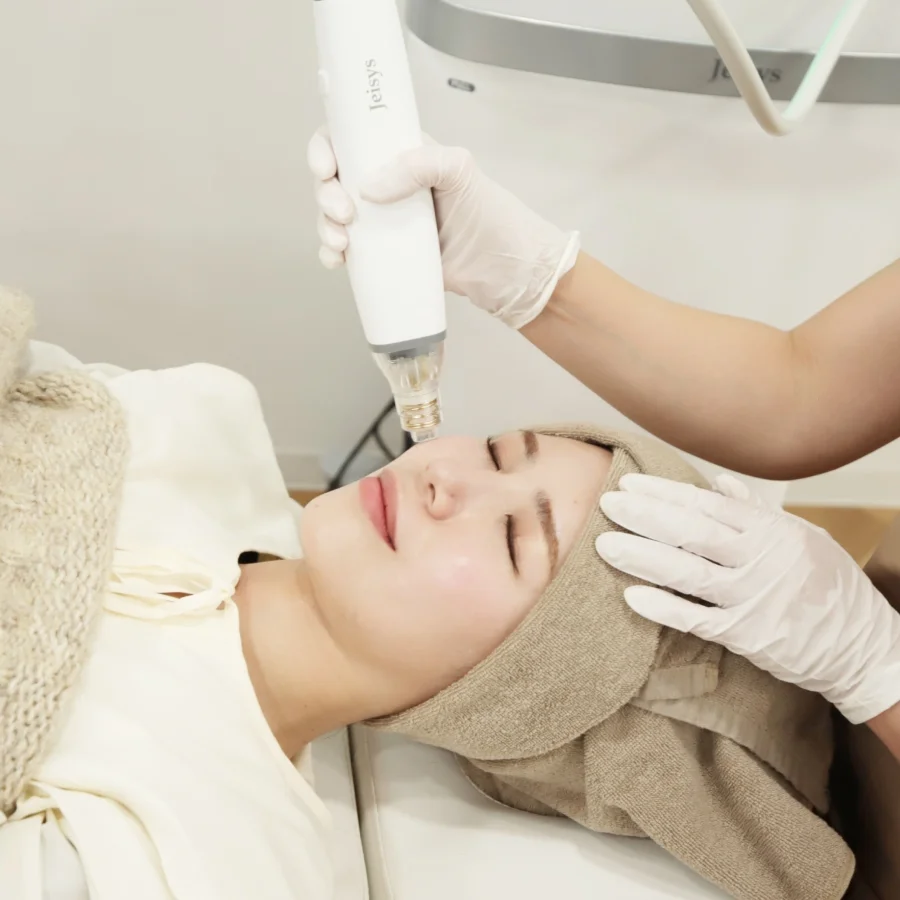
For those who are considering acne scar treatment at a cosmetic dermatology clinic in Hiroshima, we introduce the causes of symptoms and typical treatment methods. Which Hiroshima clinics offer acne treatment and acne scar treatment? Are there any recommended treatments for men? Many of you may be wondering, "What is the best treatment for men? In this issue, we explain the procedures at the Yayoi Clinic (YAYOI CLINIC), a cosmetic dermatology clinic in Hiroshima. We have also compiled a list of frequently asked questions about downtime, number of treatments, and more. Why don't you deepen your understanding of acne scars and aim for skin that gives you confidence?
Check the type and cause before acne scar treatment at a cosmetic dermatologist in Hiroshima, Japan.

Acne scars, which remain after acne has healed, can be divided into several types based on their causes and appearance. A proper understanding of these types is the first step in approaching the problem of acne scars. The following is a detailed description of the typical types of acne scars.
Postinflammatory erythema and postinflammatory papule, which remain red
The redness that remains on the skin after the inflammation of acne has subsided is medically known as "post-inflammatory erythema". You may also see "post-inflammatory papules," which are small, raised areas of redness that remain.
The main cause is that inflammation of acne causes capillaries in the dermal layer to dilate and increase in number, and the redness of these vessels shows through the skin. Another factor that makes the redness more visible is the temporary thinning of the skin during the process of wound repair.
Postinflammatory erythema is easily aggravated by forcibly crushing the pimple or severely irritating the skin. If left untreated, there is a risk of transitioning to postinflammatory hyperpigmentation. To prevent severe acne scars, it is important to reduce inflammation early in the redness stage.
Post-inflammatory hyperpigmentation, which is a stain.
Postinflammatory hyperpigmentation is a condition in which a brownish spot-like substance remains on the skin after the inflammation of acne has subsided. It is a type of hyperpigmentation that occurs not only with acne, but also with eczema, insect bites, burns, and other skin irritations. Inflammation triggers the melanocytes deep within the skin to be stimulated and produce more melanin than normal. Skin turnover is not kept up, and melanin accumulates in the skin, appearing as brown or purple-brown spots.
Acne scars caused by post-inflammatory hyperpigmentation may fade naturally through skin turnover, but it often takes a long time before they become less noticeable. Early and appropriate treatment is a shortcut to prevent the scars from worsening.
Recessive scarring, in which the skin becomes uneven like a crater.
When acne inflammation reaches deep into the dermis layer of the skin, it can damage skin tissue and result in crater-like acne scars. When inflammation is severe or persists for a long period of time, acne scars are more likely to remain. In addition, forcibly crushing a pimple by oneself is one of the major causes of crater formation, as it deeply damages the dermal layer of the skin.
Cratering is classified into three main types according to its shape.
| type | feature |
| ice pick mold | Deep, sharp recess with a small opening that narrows toward the bottom |
| boxcar model | Flat bottom, distinctly concave edges |
| rolling type | Large opening, gently wavy concave |
Once a crater forms, it is unlikely to disappear naturally, and it is important to consider treatment by a cosmetic dermatologist to restore smooth skin.
Treatments for different types of acne scars available at cosmetic dermatology clinics in Hiroshima
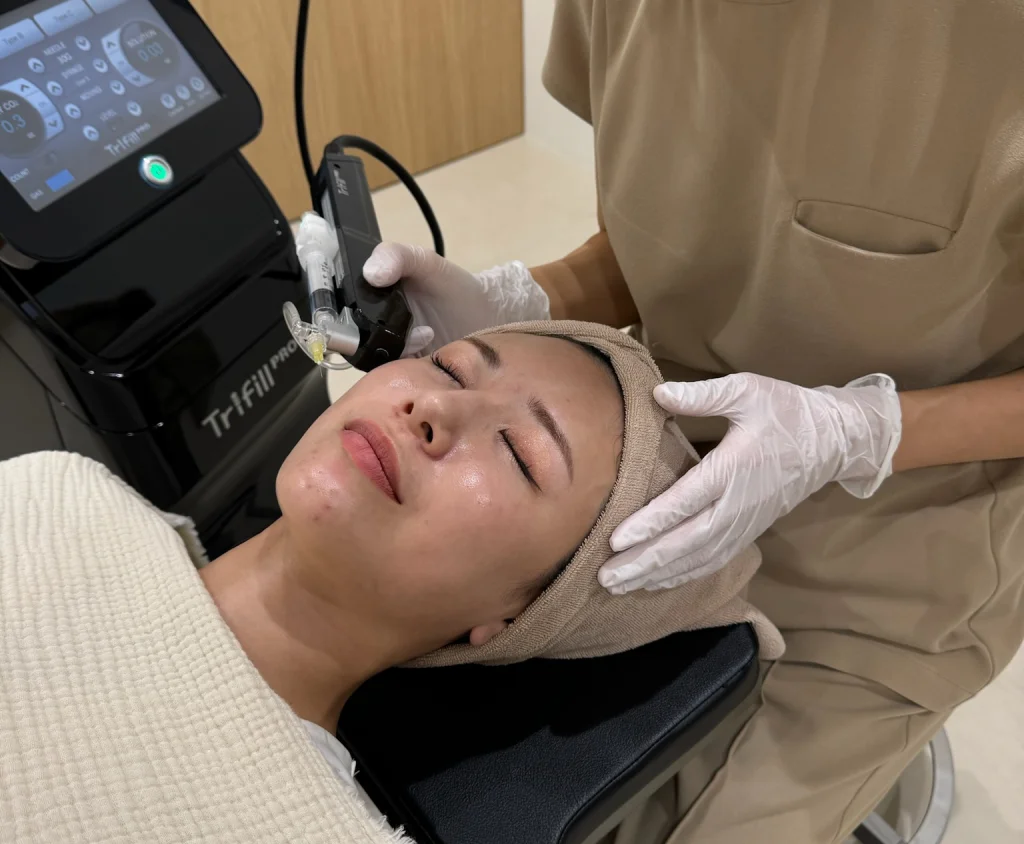
Each type of acne scar has a different mechanism of development, and therefore different effective treatments. In order to choose the right approach for your condition, let's take a look at the treatments available for each type of acne scar. Here we introduce the acne scar treatment procedures offered by the Yayoi Clinic, a cosmetic dermatology clinic in Hiroshima.
■[Redness and hyperpigmentation type] Light therapy, peeling, laser
For acne scars that remain as red or brown pigmentation, treatments that stimulate skin turnover and directly address the pigment that is causing the problem are appropriate.
For example, the Advatex laser, which reacts to skin redness and works to reduce inflammation, is unique in its ability to treat existing acne as well as acne scars.
Phototherapy (IPL) is another treatment method. Yayoi Clinic has introduced Selleck V, which uses mild light energy to treat a wide range of skin problems. Nine filters with different wavelengths are used to reduce redness and pigmentation of acne scars.
Peels are also sometimes used to treat acne scars that are marked by redness and hyperpigmentation. The "Manuka Peel" is one of the most popular options for those who are concerned about acne and acne scars, using acid exfoliation and ingredients derived from manuka honey.
■[Crater/unevenness type] Treatment using needles and carbon dioxide gas
One treatment that is suited for uneven acne scars is microneedling. Specifically, Dermapen4 and Potenza are examples. Microneedling is a procedure that uses ultra-fine needles to make microscopic holes in the skin to draw out the skin's natural healing ability. The production of collagen and elastin is stimulated, resulting in a well-rounded impression of the skin.
For more deeply cratered acne scars, there are options such as Subsision and TrifilPro. Subsision is a procedure that uses a specialized medical needle to separate the hardened tissue that causes acne scar indentations and smooth the skin. It can approach rolling-type indentations. On the other hand, TriFill Pro is unique in that it uses the power of carbon dioxide gas to exfoliate the hardened areas of tissue.
■[Keloid type] A wide variety of specialized treatments
When the inflammation of acne extends deep into the dermis layer, excessive collagen is produced in the process of trying to heal the wound, which can result in a large, red, worm-like swelling. These are called "keloids," or acne scars.
It is said that the onset of keloids is largely related to one's natural disposition and genetic factors, and careful diagnosis by a physician is essential for treatment.
The following methods are commonly used to treat keloids
- medicine taken internally
- medicine for external use
- injection
- surgical resection
- Laser therapy, etc.
Although cosmetic dermatology in Hiroshima is available, depending on the condition of the acne scars, some cases may be covered by insurance by plastic surgery or general dermatology.
Acne scar treatment at a cosmetic dermatology clinic in Hiroshima, JapanQ&A
Finally, let us answer some frequently asked questions when considering acne scar treatment at a cosmetic dermatologist in Hiroshima.
■Is the treatment of acne scars at a cosmetic dermatologist or general dermatologist in Hiroshima covered by insurance?
Because the main goal of acne scar treatment is to improve the appearance of the skin(generally, "free medical treatment" not covered by health insurance)This will be the case. However, there are no cases where keloidal acne scars causing symptoms such as pain and itching are covered by insurance.
■How long and how many times does it take to complete acne scar treatment?
Duration and number of acne scar treatments,It depends on the symptoms, treatment method, and individual skin type.In all cases, however, the skin is generally conditioned gradually over the course of multiple treatments.
For example, for peels that promote skin turnover, the frequency of visits may be 5 or more times every 2 to 4 weeks, or in some cases, 10 times on a continuous basis. The frequency and intervals may vary depending on the type of peeling and skin condition. If you choose a treatment such as dermapen or subcision, the standard frequency is around 5 times per course.
■How long is the downtime for acne scar treatment?
Downtime duration and symptoms of acne scar treatment,It depends greatly on the treatment method chosen.For example, in many cases, downtime is relatively short for peels, and makeup may be applied the same day after surgery. Symptoms such as redness, peeling, and dryness may occur, but will settle down in a few days to 10 days.
On the other hand, subsision, which approaches the deeper layers of the skin, tends to cause internal bleeding and other symptoms that last 2-3 weeks.
■ Conclusion.
There are various types of acne scars and a wide range of suitable treatments. It is important to correctly identify your acne scar type and choose the appropriate treatment. For this reason, it is essential for the doctor to make an accurate diagnosis and propose a treatment plan that is suited to your skin condition. What are some cosmetic dermatology clinics in Hiroshima City that offer acne treatment and acne scar treatment for men? If you are looking for a popular dermatology treatment menu, please contact Yayoi Clinic.
Aesthetic Dermatology, Aesthetic Medicine, Aesthetic Surgery, Art Make-up Yayoi Clinic (YAYOI CLINIC) in Hiroshima introduces treatments for different problems of the skin, body, and face.
In order to offer a better option for everyone, we will assess each person's skin condition and formulate a treatment plan that meets their needs in terms of treatment duration, budget, and acceptable downtime.
If you have any concerns, please come for a counseling session first.


