

For those who are considering mongolian furrow formation in Hiroshima, we have compiled basic information in an easy-to-understand format. YAYOI CLINIC in Hiroshima explains the features of mongolian furrow formation, the procedure flow, how to spend downtime, and frequently asked questions. The mongolian furrow formation is a procedure that is often considered by people who are interested in correcting their eye socket incision or who are concerned about the distance between their eyes. Please use this information as a reference when considering mongolian furrow formation.
What is mongolian ridge formation?
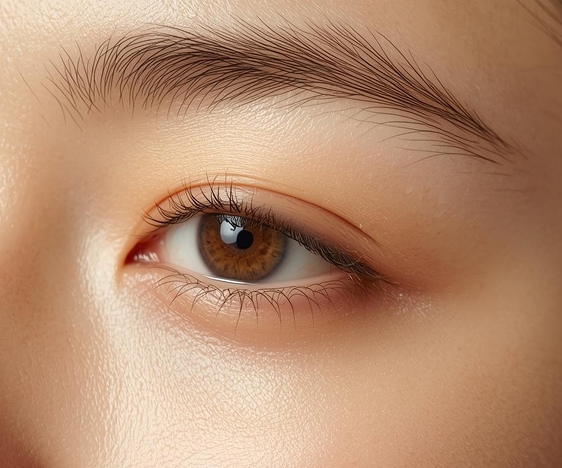
First, the Yayoi Clinic in Hiroshima explains the characteristics of mongolian fold augmentation and for whom it is considered.
What is mongolian fold augmentation?
What is mongolian rhinoplasty?Formation of the "mongolian folds" of skin from the upper eyelid to the inner corner of the eyeThe main purpose of this procedure is to correct the skin of the eye socket that has been incised too much during a craniotomy. In some cases, it is mainly used to correct the skin of the eye socket that has been excessively incised during a craniotomy or to create a mongolian fold in eyes that were born without mongolian folds to give the impression of a more natural eye area.
■Those who wish to adjust their eyes after a craniotomy.
If you are concerned about the appearance of your eyes or scars after a craniotomy, mongolian fold augmentation may be considered. Mongolian ridge augmentation is a procedure that uses the skin around the eye socket to reshape the mongolian folds. The inverted Z or V-Y method may be used, and the method is selected according to the condition of the patient.Re-form the lost mongolian folds to achieve a more natural eye lineThe goal is to
■ Those with close eye-to-eye distance
If the distance between the eyes is close, the eye area may appear more centered. The mongolian folds may be considered for those who wish to improve the balance of the eye area.
By shaping the eye socket with mongolian fold formation, the distance between the eyes and the impression of the eyes may be changed, but the result may vary from person to person.
There are also various ways of thinking about facial balance, and the so-called golden ratio is one guide. However, it is important to consult with a physician to determine the appropriate balance for your own skeletal structure and facial features.
Flow and downtime on the day of mongoloid blepharoplasty
To ensure that you are satisfied with the results of your mongolian fold surgery in Hiroshima, please review the procedure flow and downtime on the day of your procedure.
■ Steps from counseling to aftercare
This section describes the process of mongolian fold formation at Yayoi Clinic in Hiroshima as an example. (The procedure is performed by a doctor at Bianca Clinic in Tokyo.)
- Counseling: The doctor will confirm the condition of the mongolian folds and the shape of the eyes while listening to your wishes and concerns.
- Design: Based on the content of counseling, design is performed while confirming the image of the finished product.
- Procedure: Eye drop anesthesia and local anesthesia are administered, and the eye area is treated with consideration for pain. The estimated treatment time at Yayoi Clinic is approximately 20 minutes.
- Aftercare: Immediately after the procedure, cooling is performed to reduce swelling, and home care instructions and prescription medications are explained. One week after the procedure, the patient will return to the clinic for suture removal.
■ Symptoms and estimated duration during downtime
During the downtime of the mongolian folds,Symptoms such as swelling, internal bleeding, pain, redness, and a feeling of tightness in the affected areaare seen. Symptoms vary from person to person, but generallyPeaks 2-3 days after surgeryNo major swelling or internal bleeding.Tendency to gradually settle down about 1 to 2 weeks after surgeryIt is.
It is also believed that after three to six months, the redness and hardness of the scars will settle down, stabilizing the tissue and bringing it closer to a more natural look. Since the appearance and duration of downtime symptoms vary from person to person, rest and observe your doctor's instructions.
■Risks and side effects to know in advance
It is important to understand that mongolian rhinoplasty is a surgical procedure and the following risks and side effects may appear.
- Temporary swelling, internal bleeding, pain, heat
- cicatrix
- Infections and hematomas
- Left-right difference in finished product or discrepancy from prior simulation
Because the procedure involves incisions, there is a risk of scarring and, in rare cases, infection or hematoma. In the unlikely event that abnormal swelling or pain persists after the procedure, or if you notice anything unusual, please consult the clinic immediately.
In addition, the human face is not symmetrical in nature. There is a possibility that there will be a left-right difference in the finished product, or that the result will not completely match the pre-simulation. In order to get closer to your ideal eyes,It is important to carefully share your image with the doctor during counseling.It is.
Frequently Asked Questions about Mongolian Furrow Formation

Finally, Yayoi Clinic answers some frequently asked questions so that those who are considering mongolian fold augmentation in Hiroshima can take the first step with confidence.
Is there any pain during the treatment?
The mongolian folds are performed after eye drop anesthesia and local anesthesia. Although there are individual differences, these anesthetics tend to reduce pain during the procedure.Possibility of feeling a slight stinging pain during anesthesia injection.However, the treatment is performed while making efforts to minimize pain.
On the other hand, for those who are concerned about pain, optional anesthesia can be used in conjunction with the procedure upon request, so please consult with us during the consultation. Also, after the procedure, you may feel a dull ache after the anesthesia wears off, but in most cases this can be controlled with prescribed pain medication.
How long will it take for the scars to become less noticeable?
The course of the Mongolian fold scar varies from person to person, but swelling and redness will be temporarily noticeable after the surgery. After about one to two months, the redness and hardness (contracture) will settle down, and after about three months, the redness will diminish, changing to a white line, and the hardness will gradually soften and soften. The scar will never disappear completely, though,It generally takes 3 to 6 months to settle down.It is.
In addition, the course of scars varies from person to person, and self-care such as UV protection and moisturizing after surgery are also considered important. Follow the doctor's instructions for appropriate care.
■When can I start using makeup and contact lenses?
After the mongolian folds are formed, the resumption of makeup and contact lens use should be done within a reasonable range, following the postoperative course and the doctor's instructions.
- Makeup avoiding the treatment area: May be possible from the day of the treatment under the doctor's instruction.
- Eye make-up: The standard date is the day after the removal of stitches.
- Wearing contact lenses: 3 days to 1 week after surgery.
When resuming eye makeup, be careful not to rub or irritate the eye area strongly, and be gentle with cleansing. Also, as the postoperative swelling subsides, the change in the appearance of the eye socket may make it feel as if it has gone backwards, but in most cases this is part of the process toward the finished product. In the unlikely event that you experience discomfort or a rumbling sensation around the eyes, we recommend that you take it easy and use glasses to see what is happening.
■ Conclusion.
The Yayoi Clinic in Hiroshima explained the characteristics of mongolian furrow formation, the procedure flow, downtime symptoms, and how to spend the downtime. Mongolian furrow formation is a procedure that is often considered for correcting post-incision eye contouring and improving the balance of the eye area. Because it requires the specialized knowledge and skill of a physician, it is important to compare clinics and consult with them thoroughly when considering the procedure.
If you are looking for a clinic in Hiroshima, please consider Yayoi Clinic as one of your options. Our affiliated physicians will examine you and recommend a treatment plan that is tailored to your individual eye area.
Aesthetic Dermatology, Aesthetic Medicine, Aesthetic Surgery, Art Make-up Yayoi Clinic (YAYOI CLINIC) in Hiroshima introduces treatments for different problems of the skin, body, and face.
In order to offer a better option for everyone, we will assess each person's skin condition and formulate a treatment plan that meets their needs in terms of treatment duration, budget, and acceptable downtime.
If you have any concerns, please come for a counseling session first.
■Related Articles Recommended for You
Name of procedure] Mongolian furrow formation
Estimated number of treatments: 1 to 2 times.
Cost] ¥423,500
Side Effects/Risks] Infection, swelling, discomfort of eyelid, internal bleeding, left-right difference, eyelid closure failure, dry eye, tritanopia, diplopia, inverted eyelid, retroversion, conjunctival exposure, etc.
Equipment used.
The procedure is not approved in Japan for cosmetic purposes.
Drugs and medical devices used for treatment are introduced under the judgment of physicians.
There are no other domestically approved drugs with the same ingredients or performance.
Information on safety, etc. in other countries
Significant risks and side effects may not be evident.
About the Adverse Reactions Relief System for Drugs
In the unlikely event of serious side effects, the drug is not covered by the government's Adverse Drug Reactions Relief System.


