
Kiko Kono, M.D.
Profile
Graduated from Kawasaki Medical School. Worked as a dermatologist for about 20 years at core hospitals. After many years of experience and achievements, he became a cosmetic dermatologist. His practice style is to examine the skin thoroughly and pursue what is happening where on the skin and approach the problem. Her specialties include customized treatment, laser treatment, Botox, and skin growth injections. In her private life, she is a mother of two children.
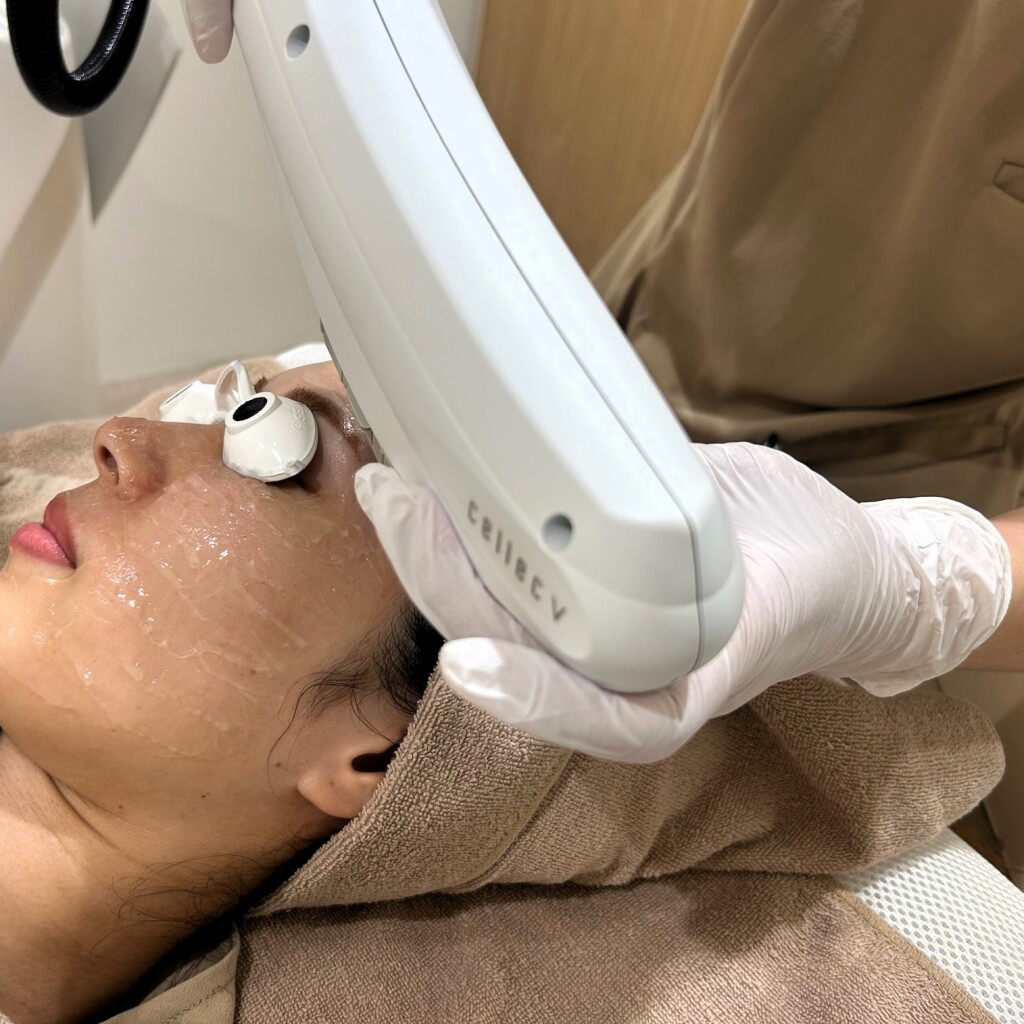
Causes of blemish removal laser failure and symptoms that can lead to mistakes. In order to avoid failures with blemish removal lasers, it is necessary to assess the condition of the blemish and treat it correctly. In this article, we explain the common failures and causes of blemish removal laser. Specific examples of failures, symptoms that can easily lead to mistakes, and precautions to take when undergoing treatment are also summarized, so please refer to this article if you are considering laser stain removal after reading blogs and other information.
5 Common Failures and Causes of Blemish Removal Lasers

There are many reviews on social networking sites and on the Internet that say that it is better not to have a laser for blemish removal. In fact, there are cases where people think that the blemish removal laser has failed and that they do not feel a real difference. However, there are always causes for failure. First, let's learn about the cases of failure and causes of blemish removal lasers.
Blemishes do not fade.
If the effect is not felt after only one treatment,Laser irradiation power may not have been appropriate.There are The depth inside the skin where melanin pigmentation is deposited and the intensity of the spots vary from person to person. If the appropriate treatment is not performed for each of the diverse nature and types of blemishes, it will be difficult to obtain the desired effect.
In addition, if the spots are thin to begin with, it may be difficult to feel the effects of a single treatment. In some cases, especially for deep spots such as ADM, multiple treatments may be recommended.
Darker spots.
The correct treatment depends on the type and nature of the blemish, and some people cannot be treated with a blemish removal laser. In particular, if the goal is to treat melasma, one must be careful. Although melasma is a type of blemish, it may worsen if you try to remove the blemish with a laser as you do with other blemishes.
The first choice for curing melasma is considered to be treatment by internal medicine. Therefore, in order to avoid failure with melasma laser, it is necessary to determine when not to perform laser treatment and the type of laser. A consultation with a doctor is also important to determine whether the melasma is of a nature that can be treated by laser irradiation or not.
Inflammation and redness of the skin do not subside
Basically, the skin after a laser spot removal is like a mild burn, so the skin may become red during the downtime. In most cases,It will subside after a few days to a month or so.but if there is prolonged redness or scarring or inflammation, the procedure may not have been appropriate.
Blemishes resurfaced.
The reason why the spots seem to have surfaced after the treatment is,It is post-inflammatory hyperpigmentation.This is often the case. Postinflammatory hyperpigmentation is a condition in which a blemish-like mark remains after an abrasion or other injury has healed. After laser irradiation, the epidermis also often scabs over and then peels off, resulting in postinflammatory hyperpigmentation. Postinflammatory hyperpigmentation generally takes several months to as long as six months or more to fade, and in some cases, cosmetic medications or topical tranexamic acid are used to prevent postinflammatory hyperpigmentation.
In addition, even if a visible blemish is improved by laser blemish removal, it may still be hidden inside the skin. If you neglect daily care, such as UV protection, there is a possibility that new spots will appear. Therefore, over time, the spots will again emerge as blemishes.
Thus, it is common for spots to reappear several years after the procedure, but the spot removal laser does not prevent spots from developing. If you have developed new spots even though you have taken UV protection after the treatment, you should consider another spot removal laser treatment.
White spots on a part of the skin
Vitiligo is a condition in which a portion of the skin appears white as if it has been bleached.Repeating spot removal lasers without sufficient time interval.If the spots do not fade after one treatment, another spot removal laser can be performed to improve the results, but a sufficient period of time must be allowed.
In some cases, if the laser for spot removal is not effective, it may be better to combine it with other treatment methods. Instead of unnecessarily repeating laser treatment, consider the approach method under appropriate counseling.
Is this a spot removal laser failure? Check out the symptoms that can easily be mistaken for a mistake.
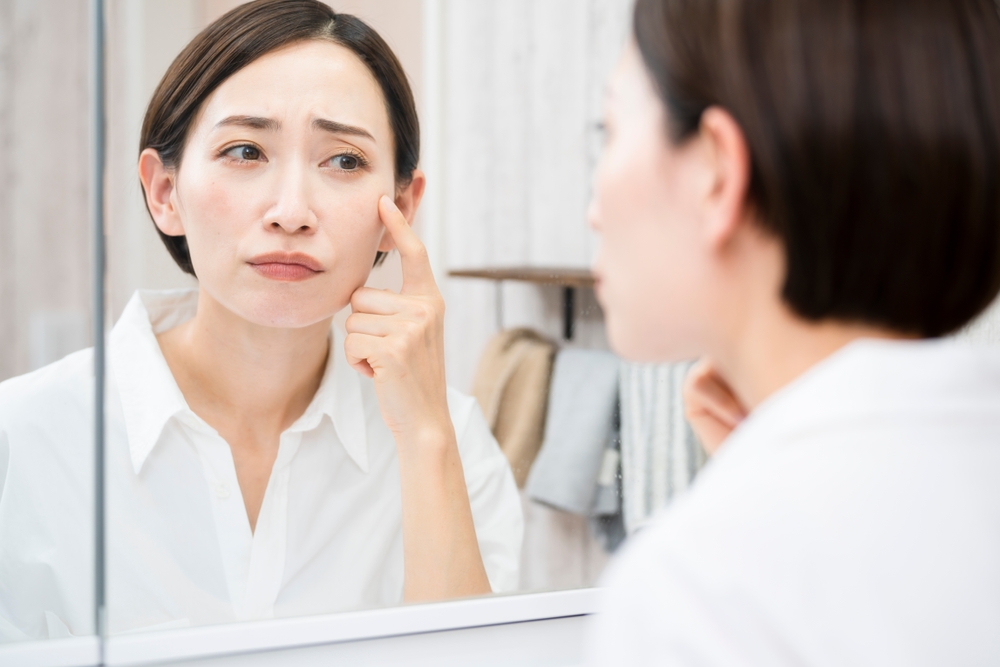
Some symptoms, such as downtime after the procedure, could be mistaken for a failed spot removal laser. To avoid panicking and thinking, "I must have failed," it is important to check the symptoms during the downtime.
No scabbing after laser spot removal
Generally, a scab forms on the skin after a laser spot removal, which peels off after 7 to 10 days and the spots improve. However, in some cases, depending on the individual's constitution and the intensity and type of laser irradiated, a scab may not form. In other cases, the scab may form like a thin film and not be noticed. Therefore, after a laser spot removalJust because you can't get a scab doesn't mean you're a failure.。
Redness and blistering.
The skin after laser blemish removal is in a state similar to that of a minor burn. Therefore, redness and blistering may appear, just like burns. However, in most casessubside with timeTherefore, do not worry. However, if the blisters persist, consult a clinic.
Pigmentation does not disappear after laser
About a month after the spot removal laser, a spot-like appearance may appear on the treated area. This is a condition called "post-inflammatory hyperpigmentation" caused by skin cell irritation from the laser spot removal. However, hyperpigmentation after laser stain removal is not,Disappears spontaneously in about 3 to 6 months.In many cases, we should wait and see how it goes for a while.
How to avoid mistakes with spot removal lasers

Let's review the points to be aware of so that you will not regret the "failure ......" several years or 10 years after having the laser for blemish removal.
Don't choose just because of the low price.
The price of laser blemish removal varies depending on the size of the blemish and the type of laser used. Many people want to have their spots treated as inexpensively as possible, but it is not recommended to choose a clinic based solely on price.
Since there are many different types of blemishes, a wrong treatment method can result in mistakes such as darkening of the blemish or leaving pigmentation. It is important to choose a clinic that is experienced in assessing the condition of the spots and proposing an appropriate approach.
Check for careful counseling and follow-up services.
Careful counseling is necessary to determine the cause of the spots, rather than treating them out of the blue. When choosing a clinic, check to see if sufficient counseling time is available before treatment.
In addition, skin tends to be unstable after laser spot removal. Therefore, be sure to choose a clinic with a generous aftercare program that provides thorough explanations of post-treatment measures and self-care.
Careful self-care after treatment.
Self-care is also important after laser spot removal. Neglecting self-care can lead to the recurrence of spots and hyperpigmentation.Keep your skin dry by keeping it well moisturized.。
In particular, sun exposure after laser spot removal is strictly prohibited. It can make the spots darker than they were originally and cause redness and swelling. Therefore, it is important to take thorough care of your skin after treatment with ultraviolet rays.
Conclusion
It is true that there is a risk of failure with spot removal lasers. However, there is no point in trying to improve a blemish that is bothering you if it becomes more noticeable. Therefore, choose an experienced clinic that can assess the cause and condition of the blemish, and be thorough in your self-care after the treatment. When assessing a clinic for laser blemish removal, carefully check the clinic's official website for past cases and past results, and then undergo a consultation. At that time, please make sure that you are fully satisfied with the treatment before proceeding with the contract.
Aesthetic Dermatology, Cosmetic Medicine, Cosmetic Surgery, Art Makeup in Hiroshima YAYOI CLINIC offers treatments for different skin, body, and facial concerns.
In order to offer a better option for everyone, we will assess each person's skin condition and formulate a treatment plan that meets their needs in terms of treatment duration, budget, and acceptable downtime.
If you have any concerns, please come for a counseling session first.


