
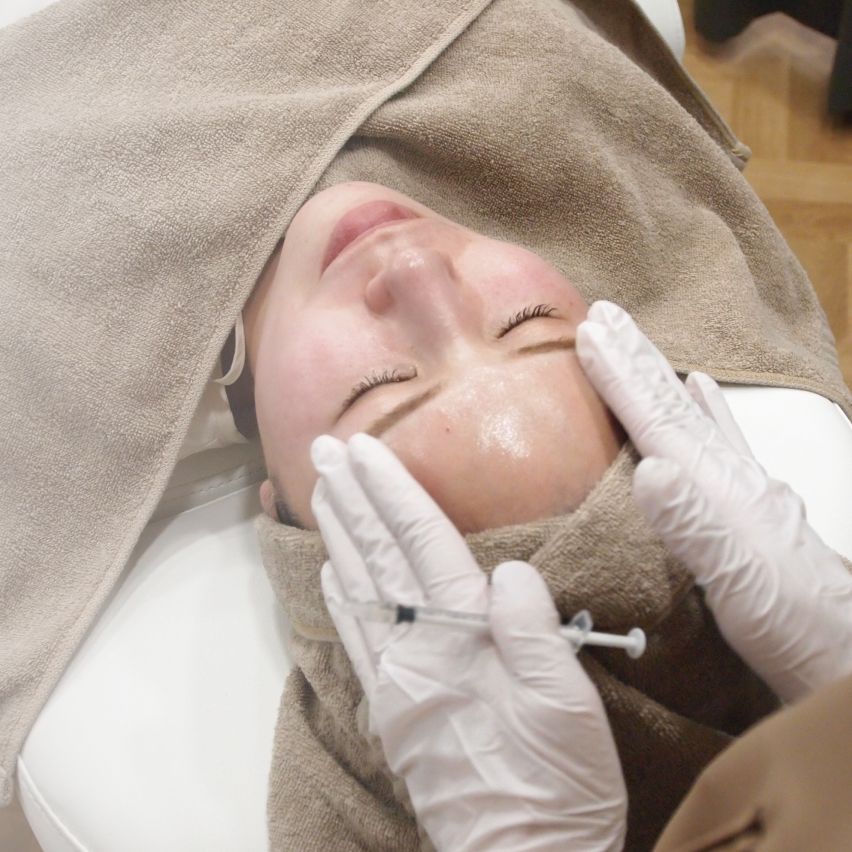
For residents of Hiroshima who are interested in undergoing chemical peel treatments at a dermatology clinic, this article provides a detailed explanation of key topics such as the basic types of treatments, downtime, and aftercare. Even if you’ve heard the term “chemical peel,” you may be unsure about the specific types or the treatment process, which can make it difficult to take the first step. We hope this basic information will help you choose the chemical peel that’s right for you.
What You Need to Know First! The Basics of Peeling Treatments
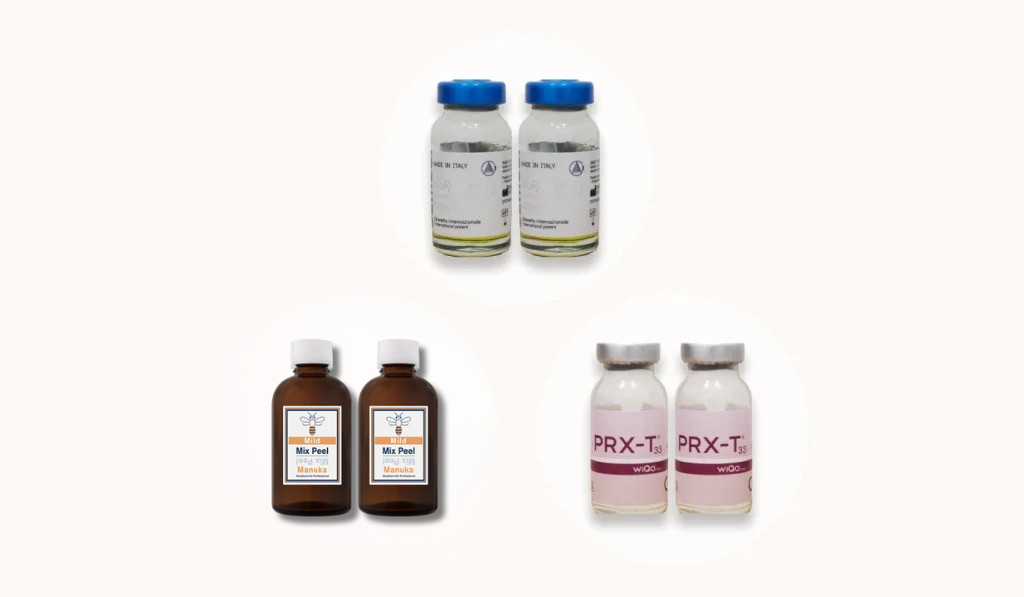
Now, let’s dive right into an explanation of the basic mechanisms of chemical peels, the most common types, and their downtime and side effects. If you’re in Hiroshima and are on the fence about visiting a dermatologist or cosmetic clinic, be sure to check this out.
■What Is Peeling? How It Addresses Acne and Pore Concerns
What is peeling,A treatment in which a chemical solution is applied to the skin to remove dead skin cells. Another goal is to stimulate epidermal cells and support skin revitalization. As a result,Expected to support skin renewalThe following is a summary of the results of the project.
This treatment is also used for acne and pore-related concerns, and it is a relatively popular procedure offered at many cosmetic clinics. While there are various causes of acne, one common cause is when sebum does not drain properly and accumulates in the pores, leading to skin inflammation. Peels are used to help prevent this pore blockage as much as possible.
■ Types and Characteristics of Exfoliation Treatments, Including Massage, Milan, and Manuka
Although we often use the term “peel” as a general term, there are actually various types. So, in this article, we’ll take a closer look at three types: the massage peel, the Milan peel, and the Manuka honey peel. These treatments are offered at many dermatology and cosmetic clinics and are readily available in Hiroshima as well.
・A massage peel that does not cause peeling
The Massage Peel is a peeling treatment designed to minimize exfoliation of the epidermis while targeting the deep layers of the dermis. Another key feature of this treatment is the process of massaging the solution into the skin as it is applied.It is expected to promote collagen production and is ideal for those looking to improve skin firmness, radiance, and elasticity, as well as treat acne scars.. Formulated with kojic acid, which has antioxidant properties, this peel helps suppress melanin production and is a popular choice for those concerned about dark spots, freckles, and blackheads.
・Milano Peel, enriched with moisturizing and skin-conditioning ingredients
Milan Peel is a peel treatment originating in Milan, Italy. It combines five types of peeling agents—such as trichloroacetic acid and salicylic acid—with moisturizing and skin-conditioning ingredients like amino acids and vitamins. As a result,Relatively low levels of irritation and drynessThis is also considered a distinctive feature.
The Milan Peel gently removes dead skin cells while regulating skin turnover, and by addressing clogged pores and sebum production, it helps prevent and treat acne. Furthermore,This treatment also helps stimulate collagen production and is used to treat acne scars.That's right. This peel is also widely used to treat body acne—not just on the face, but also on the décolletage, back, and other areas.
・Manuka Honey Peel: Provides antibacterial benefits and helps maintain skin moisture
The Manuka Honey Peel is a peel that combines Manuka honey with “Mix Peel,” a lactic acid-based exfoliant formulated with salicylic acid and glycolic acid.This treatment is designed to suit Japanese skin types and causes relatively little irritation, such as pain or redness.This treatment is characterized by its gentle nature. It’s an easy treatment to try, even for those who have been hesitant to try peels due to sensitive skin. Additionally, since Manuka honey is known for its antibacterial properties and ability to support skin hydration, it’s also suitable for those concerned about both acne and dry skin. However,We cannot provide treatment to individuals with a honey allergy.Please be careful.
■ What About Redness After the Procedure? Downtime and Side Effects
While there are various types of peels, downtime and side effects are generally considered relatively mild for most procedures. However,Depending on the treatment and each individual’s skin type and condition, there may be some downtime lasting from a few days to about a week.So, let's make sure we understand this beforehand.
Common symptoms during the recovery period include a tingling sensation, a feeling of heat, itching, and redness. In addition, the skin may peel a few days after the procedure, and in rare cases, scabs may form; however, these are mostly normal reactions, andIn most cases, symptoms subside within about a week.It is.
No Need to Worry, Even If It’s Your First Time! The Peeling Treatment Process and Aftercare
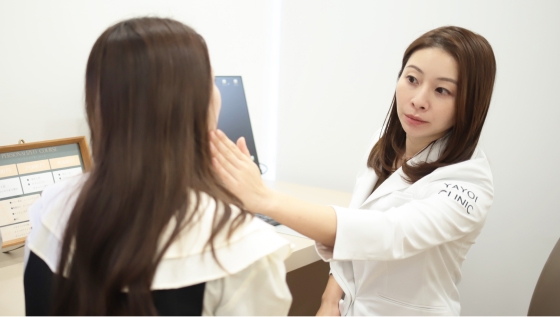
Here, we’ll outline the basic process for undergoing a chemical peel treatment at a cosmetic clinic. Please note, however, that the information provided here is merely an example. Since procedures may vary depending on the dermatology clinic, medical facility, and individual patient’s condition, those considering treatment in Hiroshima should use this information for reference only.
STEP 1: Make an appointment for counseling and consultation with a physician
To undergo a chemical peel treatment, start by scheduling a consultation at a clinic that offers the procedure. It’s important to choose a clinic that offers a peel suited to your specific skin concerns. One approach is to schedule appointments at several clinics and compare them. Choosing a clinic that’s convenient to visit and that you can trust is the first step toward getting the treatment.
During the consultation, you’ll clearly explain your skin condition and concerns to the doctor, and select a treatment that matches your situation and preferences. At this time, you’ll learn not only about the benefits of chemical peels, but alsoIt is important to receive an explanation of the risks as wellIt is.
■STEP 2: The Procedure on the Day of Your Appointment and How Long It Takes
Once you’ve chosen a peel that suits you during your consultation, it’s time for the treatment. In some cases, the treatment will be performed on the same day as the consultation, while in others, you’ll need to reschedule for a later date.
In a typical treatment, the basic procedure is to first cleanse and wash the face, and if there is excess sebum, wipe it away with a cotton pad or similar. After that, a peel is applied, and the treatment is typically finished with a cooling step. While this may vary depending on the clinic, the treatment area, and the individual’s condition,The treatment takes about 15 to 30 minutes.It is.
■STEP 3: Post-Treatment Precautions and Proper Home Care
At most clinics, you are allowed to wash your face, take a shower, or bathe on the day of the procedure. However, since your skin is in a delicate state after the procedure,It is important to avoid actions that cause friction or irritation, such as rubbing your face while washing it or using scrub-type facial cleansers.After cleansing your skin, be sure to moisturize thoroughly with a gentle skincare product. UV protection is also essential.
In daily life, it is generally recommended to avoid activities that excessively stimulate blood circulation—such as saunas and strenuous exercise—on the day of the treatment. Starting on the second day after the treatment, continue with gentle moisturizing care while avoiding friction and irritation. You may experience slight peeling a few days to about a week after the treatment. Avoid peeling the skin off forcefully; instead, wait for it to subside naturally. In most cases, you can resume your regular skincare routine about a week after the treatment.
Please note that these precautions and home care instructions may vary depending on your skin condition, the specific treatment, and the clinic’s policies. Be sure to listen to your doctor’s explanation and follow their instructions when caring for your skin.
Yayoi Clinic in Hiroshima Answers Frequently Asked Questions About Skin Peels at Dermatology Clinics
Finally, YAYOI CLINIC, a cosmetic dermatology clinic in Hiroshima City, answers some common questions from people interested in undergoing chemical peels at a dermatology clinic. We hope this helps ease your concerns.
Is there any pain during the treatment?
Since chemical peels at cosmetic clinics are generally performed without anesthesia,It is generally the case that people do not experience severe pain.That's right. However, some people may experience a stinging pain or a sensation of heat. That said, depending on the type, there are cases where you feel almost nothing at all. Since this varies from person to person, if you're concerned about pain, please consult your doctor beforehand.
■How many sessions do I need to attend to see results?
While individual experiences of the effects may vary,Generally, it is ideal to undergo at least five treatments at intervals of 2 to 4 weeks.It is generally believed that while you may notice a difference after just one treatment for concerns such as dull or rough skin, ongoing treatments may be necessary for conditions like acne, acne scars, and dark spots. In some cases, these treatments may be combined with oral or topical medications. Once symptoms have subsided, it is common to gradually increase the interval between treatments.
■Can I apply makeup right after the treatment?
Depending on the type of peel and the condition of your skin, you may be able to apply makeup immediately after the treatment. However,Since your skin is in a sensitive state, use products that are as gentle as possible and rinse off easily.Let's do it.
In some cases, you may need to avoid wearing makeup immediately after the procedure or may not be able to wear it until the day after the procedure, so checking with your doctor about makeup will ensure you receive accurate advice.
■ I'm thinking of getting a chemical peel at a dermatology clinic. Does Yayoi Clinic in Hiroshima offer this service?
While many dermatology clinics offer chemical peels, Yayoi Clinic in Hiroshima also provides these treatments. Yayoi Clinic offers a variety of peels, including massage peels, Milano peels, and Manuka honey peels, and performs treatments not only on the face but also on other parts of the body, such as the back. We are able to recommend treatments tailored to each patient in Hiroshima.
■ Conclusion.
Peels are a common treatment available at dermatology and cosmetic clinics, and many medical facilities in Hiroshima now offer them. It’s important to first have a doctor assess your skin condition so you can choose the treatment that’s right for you. Peels typically involve minimal downtime and few side effects, making them an easy treatment to try, even for first-timers. As a first step toward achieving your ideal skin, consider scheduling a consultation at a trusted cosmetic dermatology clinic.
Aesthetic Dermatology, Aesthetic Medicine, Aesthetic Surgery, Art Make-up Yayoi Clinic (YAYOI CLINIC) in Hiroshima introduces treatments for different problems of the skin, body, and face.
In order to offer a better option for everyone, we will assess each person's skin condition and formulate a treatment plan that meets their needs in terms of treatment duration, budget, and acceptable downtime.
If you have any concerns, please come for a counseling session first.
■Related Articles Recommended for You
Description of treatment] Peeling
Approximate number of treatments
Massage peel: Once every 2-3 weeks (about 5 times)
Milan Repeal: once every 2-3 weeks (3-10 times)
Manuka peel: once every 2 to 4 weeks (about 6 to 10 times)
*Depends on the nature of the treatment.
Cost] ¥12,800 - ¥43,560
Adverse effects/risks
Massage peel
Subcutaneous bubbles may occur within an hour or so, and thin skin may peel off.
Scabs may form. In this case, please be careful not to peel off the skin forcibly.
Depending on the skin condition, redness and peeling may occur. Please follow the doctor's instructions, as he/she will prescribe an ointment or other medication as necessary.
Milan Repeal
Some tingling pain may be felt during treatment.
Skin may become temporarily red, but this will subside within a few hours at the earliest, and within a few days at the latest. Always consult a physician if prolonged redness, skin peeling, or scabbing occurs.
Skin is prone to dryness and peeling during the treatment period, so please keep the skin well moisturized.
. Skin turnover is activated and acne may temporarily worsen.
Manuka peel
Symptoms seen during and after the procedure
Irritation, edema, erythema, blistering, erosions, ulceration, scaling, crusting, abnormal coloration, persistent erythema or itching, transient exacerbation of acne or pilar enlargement, telangiectasia, milia, etc.
Rare post-treatment symptoms
Allergic contact dermatitis and contact urticaria due to scarring, infection, peeling agents, etc.
Equipment used.
The treatment of massage peels, milanuri peels, and manuka peels involves the use of domestically unapproved pharmaceuticals or medical devices.
The medicines and medical devices used for treatment were imported by private individuals based on the judgment of the doctors at our clinic. Please refer to the following for information on medicines and other items of concern for personal importation.
https://www.yakubutsu.mhlw.go.jp/individualimport/purchase/index.html
There are no other domestically approved drugs with the same ingredients or performance.
Information on safety, etc. in other countries
Significant risks and side effects may not be evident.
About the Adverse Reactions Relief System for Drugs
In the unlikely event of serious side effects, the drug is not covered by the government's Adverse Drug Reactions Relief System.


